 English
  Portuguese
  Spanish
  Italian
  Turkish
  French
  German
  Japanese
  Korean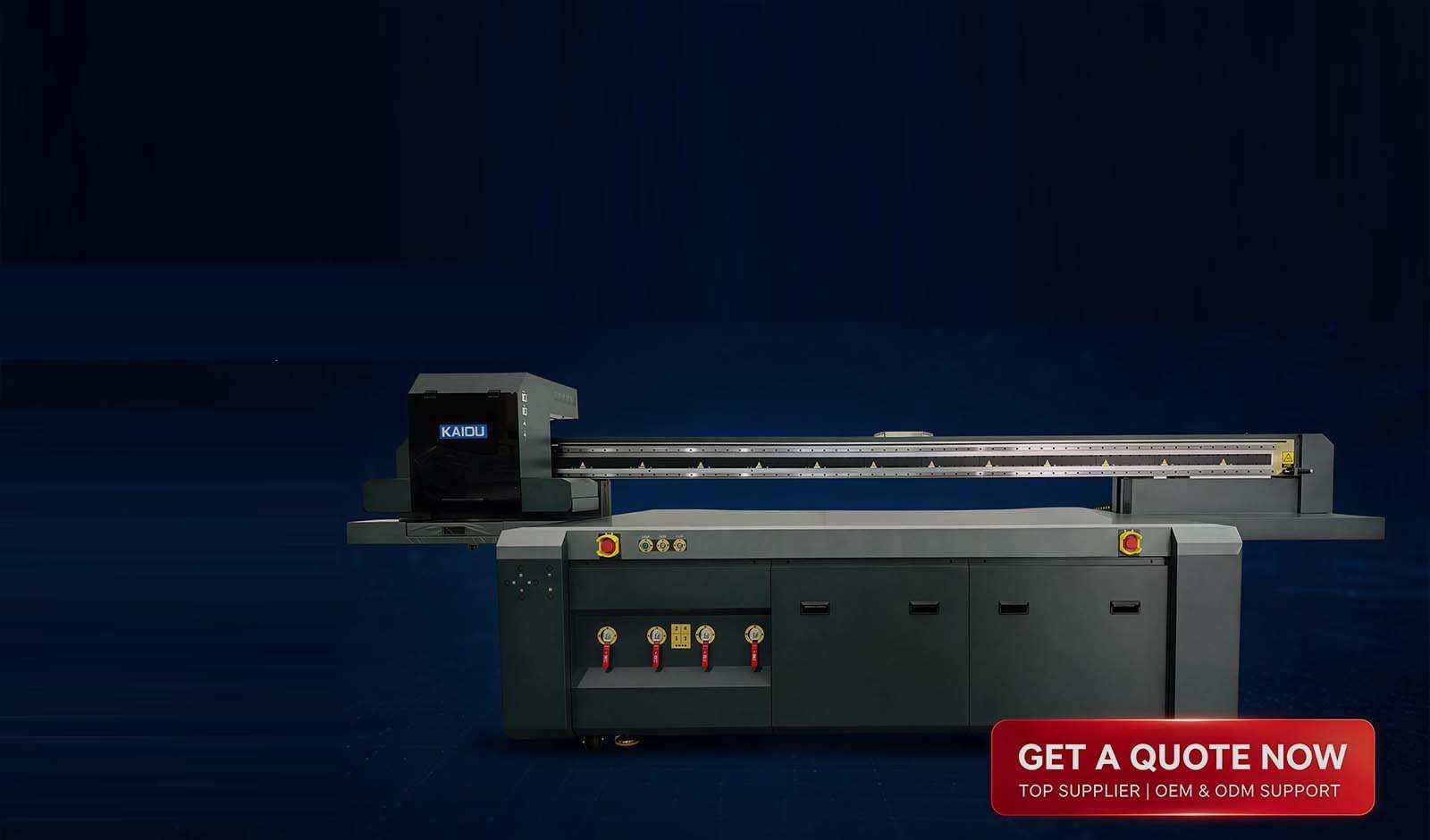
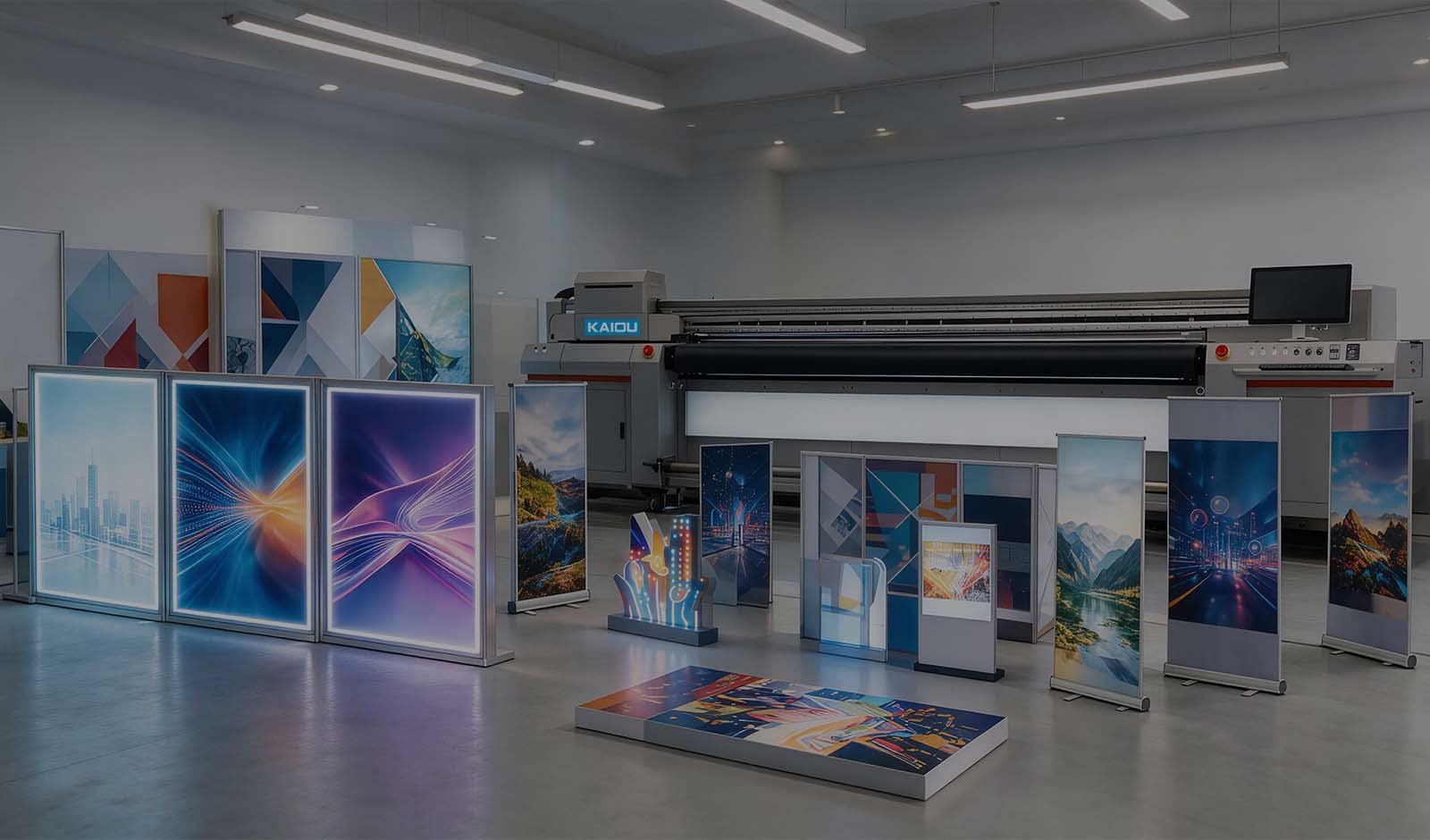
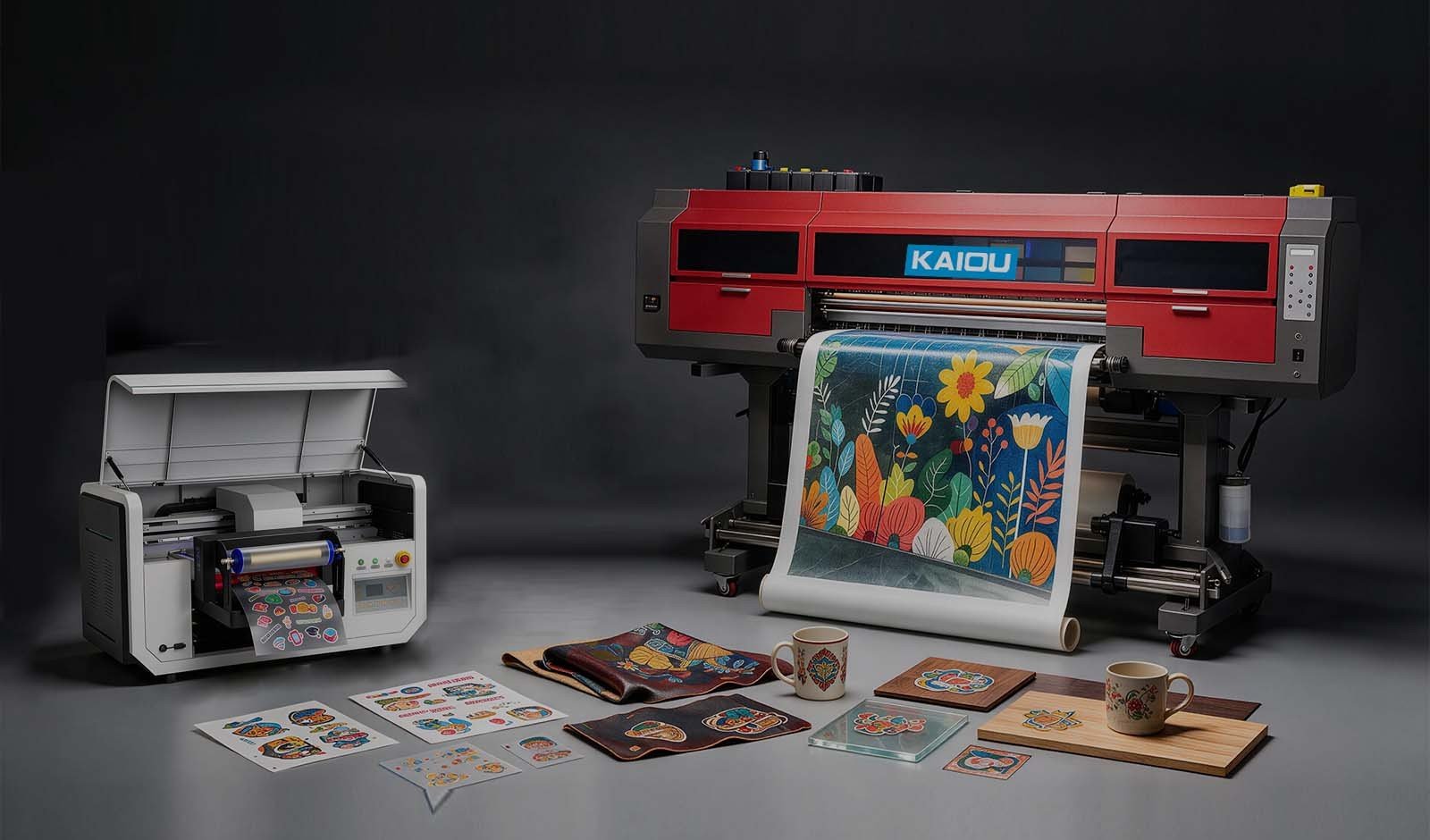
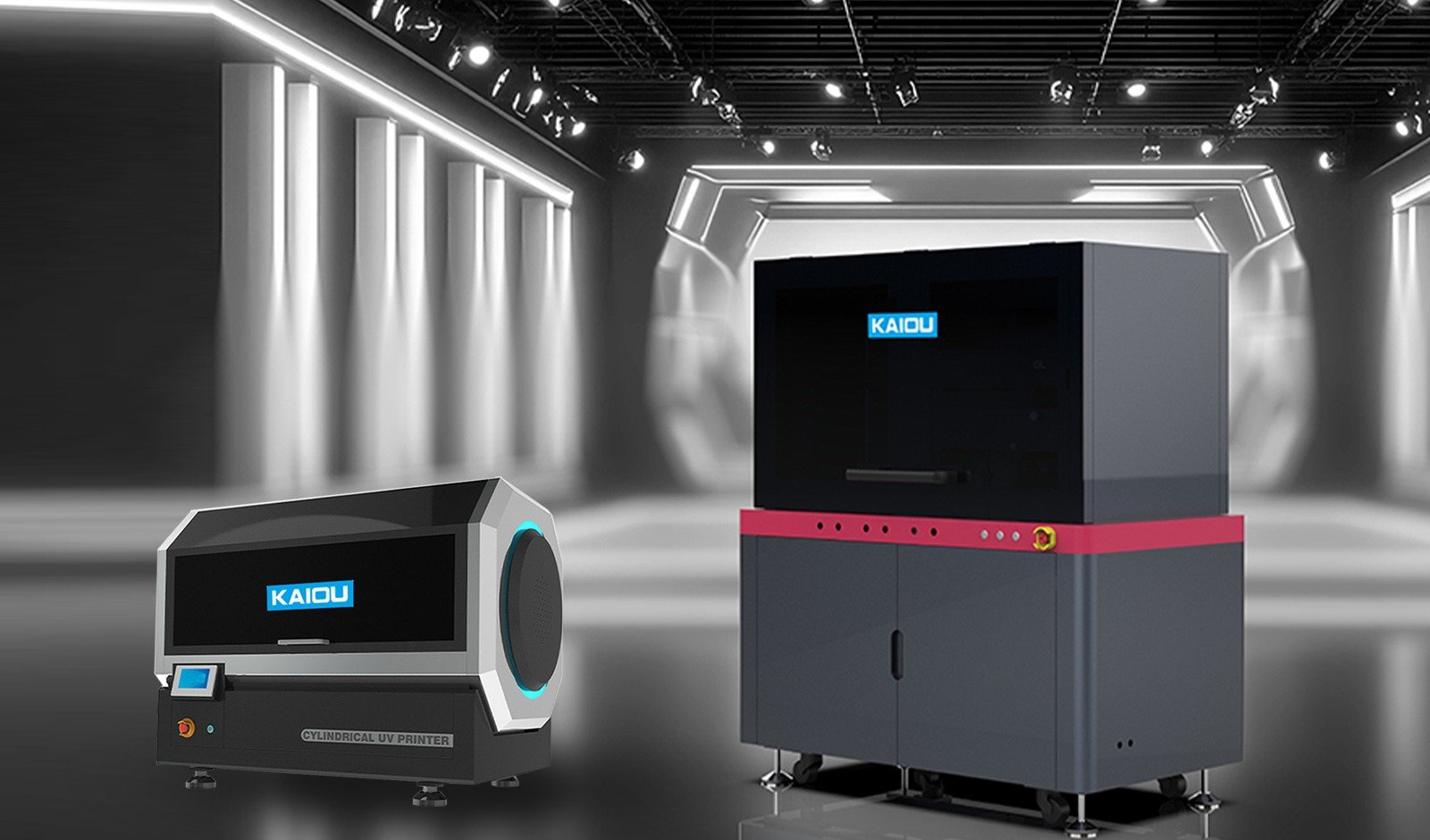
While DTF printing dominates entry-level customization, more brands are shifting toward 3D TPU heat transfer patches to achieve raised logos, glossy “jelly” effects, and higher profit margins.
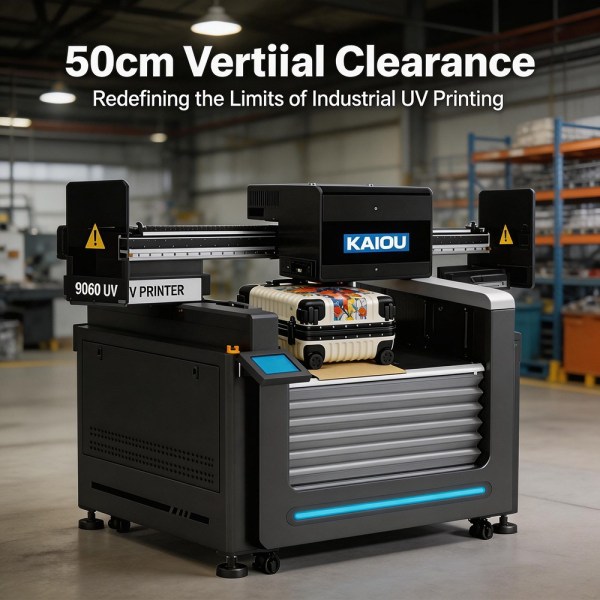
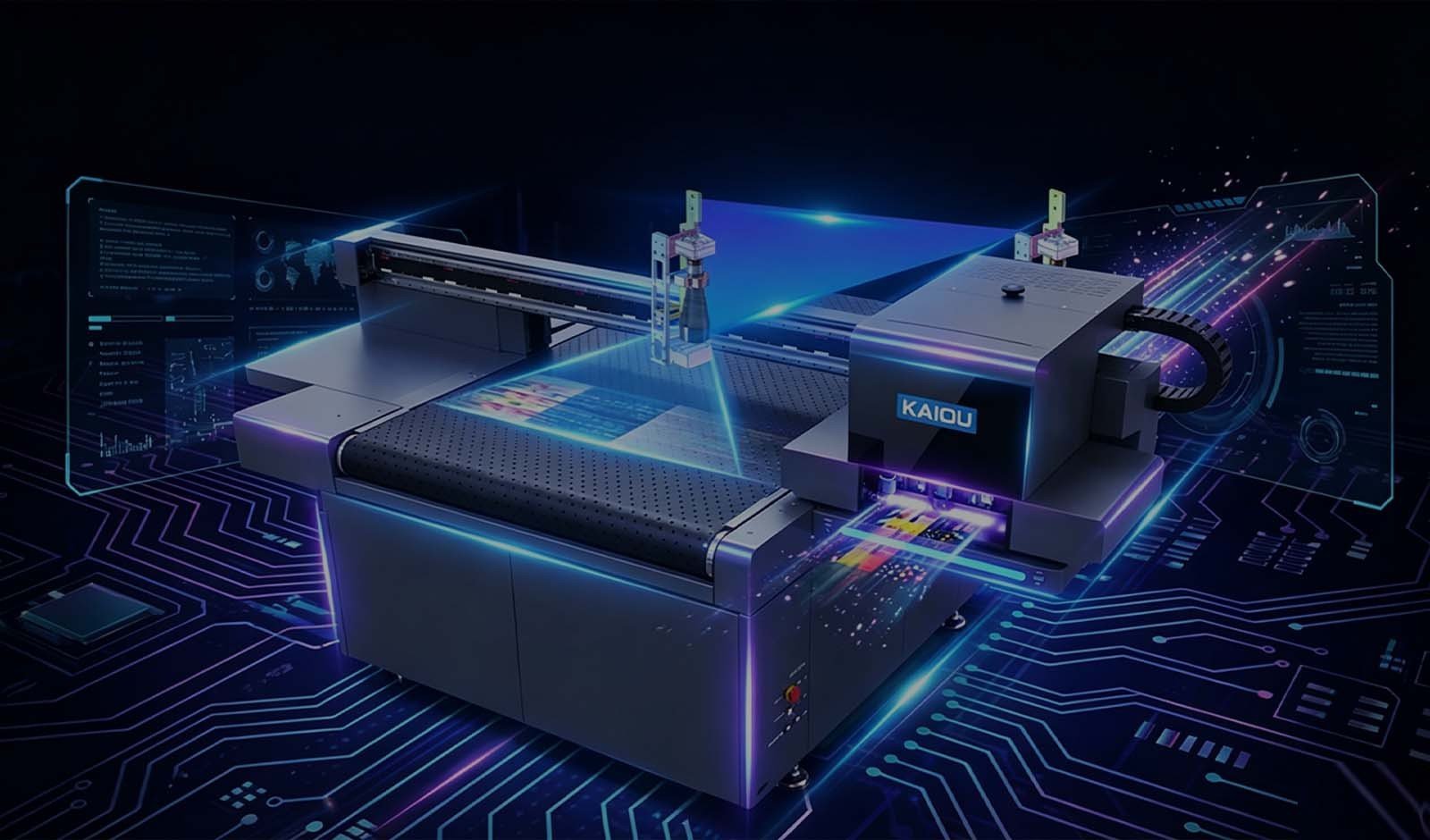
This solution is powered by the KAIOU 6090 UV Printer, a professional UV printing system designed for multi-layer 3D printing on TPU and flexible materials.
👉 Explore the full machine specs here: [KAIOU 6090 UV Printer]
What Are 3D TPU Heat Transfer Patches?
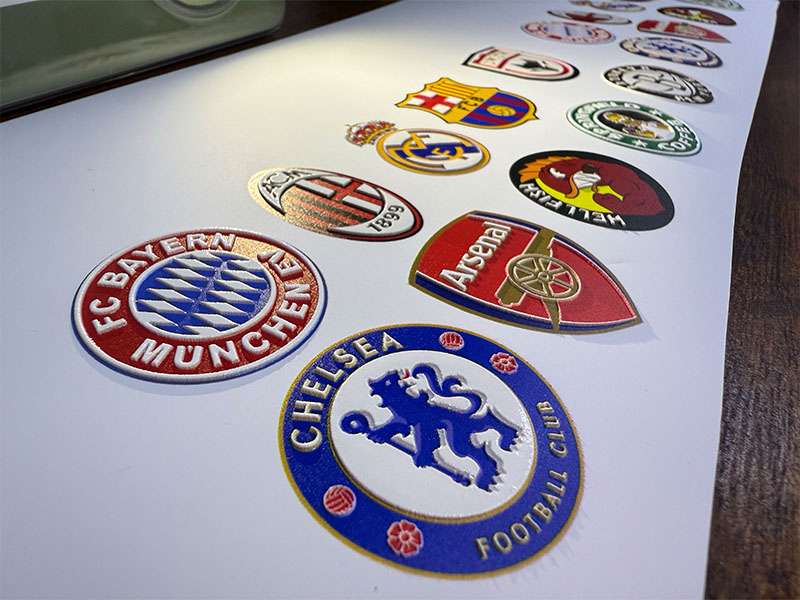
3D TPU heat transfer patches are raised, flexible logo transfers made using UV multi-layer printing on TPU film, then applied to garments using heat press.
Unlike traditional flat prints, they offer:
1–2mm embossed 3D effect
Soft yet durable TPU material
Glossy, matte, or transparent “jelly” finishes
Premium branding feel similar to silicone or PVC patches
👉 In short: they turn flat logos into tactile, high-value branding elements.
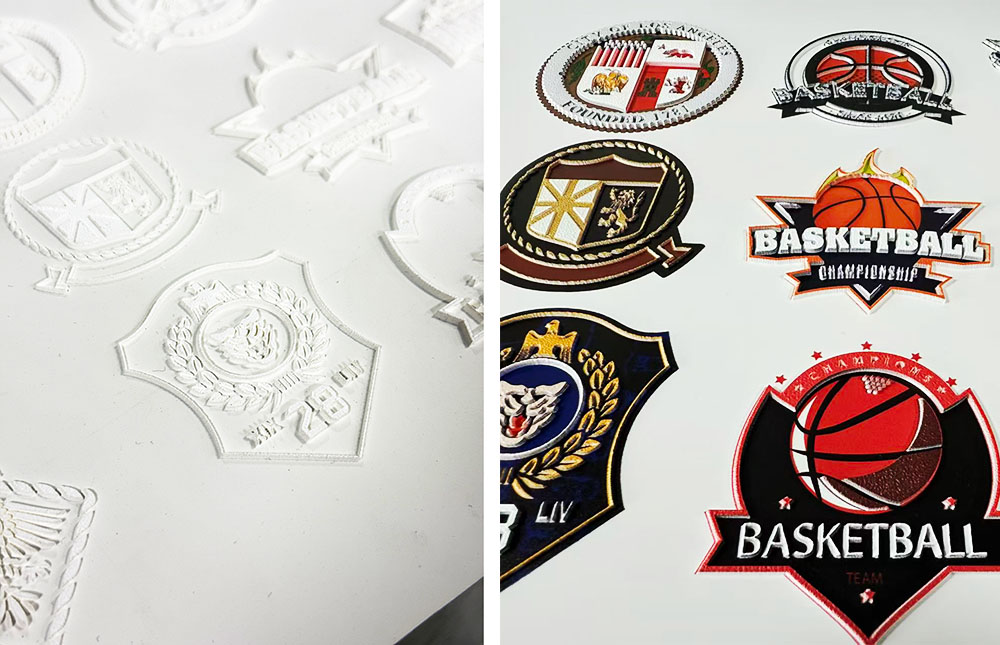
Why 3D TPU Patches Are Replacing DTF Printing
DTF is efficient—but limited.
3D TPU patches solve its biggest weaknesses:
From Flat to 3D → real depth, not visual illusion
Higher perceived value → suitable for premium brands
Cleaner production → no powder shaking, no dust
Flexible order size → from 1 piece to mass production
👉 For brands selling higher-end apparel, DTF is becoming “basic”, while TPU patches offer differentiation.
UV Printing vs DTF: Which Is Better for Apparel?
| Feature | KAIOU 3D TPU (UV Printing) | Traditional DTF |
|---|---|---|
| Visual Effect | 3D embossed / glossy / matte | Flat, smooth |
| Process | Print → Heat Press | Print → Powder → Cure → Press |
| Workspace | Clean, dust-free | Powder dust pollution |
| Materials | TPU, leather, nylon, performance fabrics | Mainly cotton/polyester |
| Ink Capability | White + varnish + layering | CMYK + white only |
👉 Conclusion:
DTF is for volume.
UV TPU is for value.
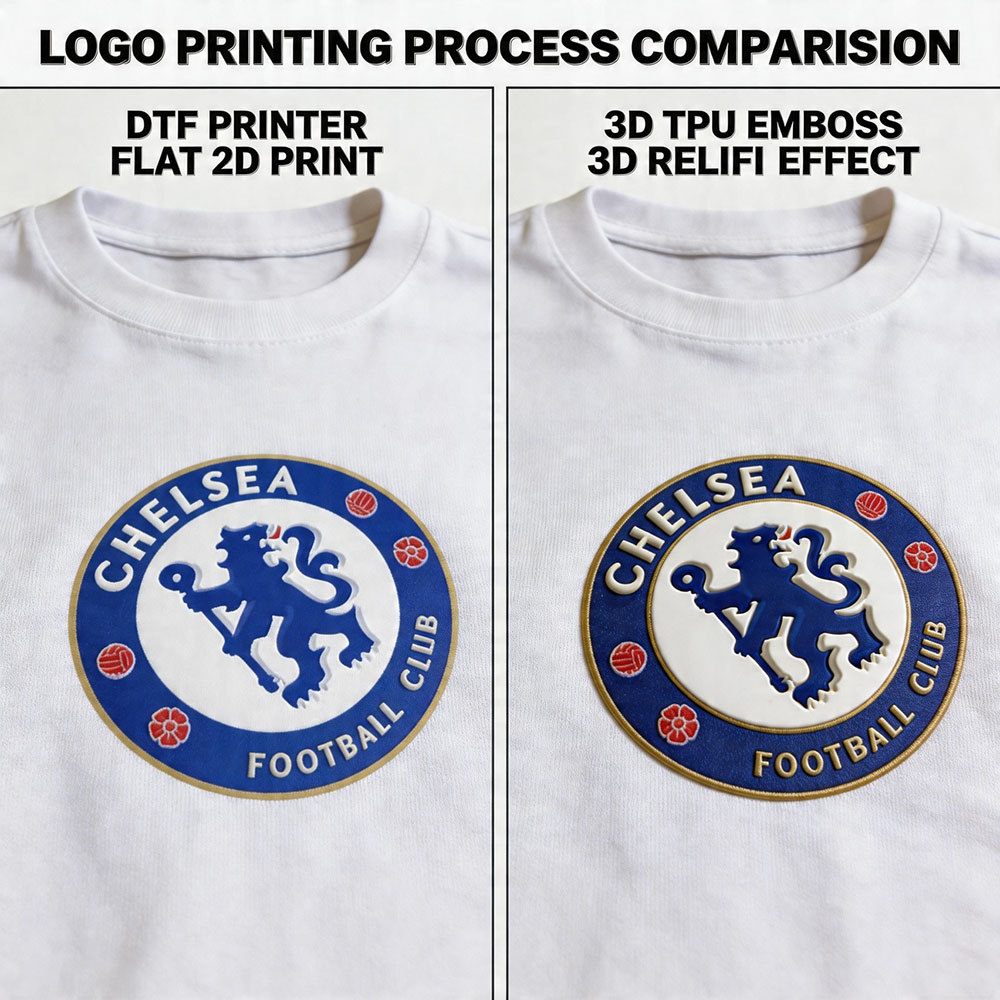
If you're still using DTF, you may want to compare with our full UV printing solution for apparel to understand the differences in workflow, cost, and final product value.
👉 Read more: [UV Printing for Apparel Solution]
How to Make 3D TPU Patches with a UV Printer
The process is simpler than traditional patch manufacturing:
Design your logo
Print on TPU film using UV printer (multi-layer ink stacking)
Add varnish for gloss or “jelly” effect
Heat press onto garment
👉 No embroidery. No mold. No powder.
This makes it ideal for:
Print shops
Custom apparel brands
On-demand businesses
Etsy sellers & small studios
Is UV Printing Safe for Clothing?
Yes—when using certified inks.
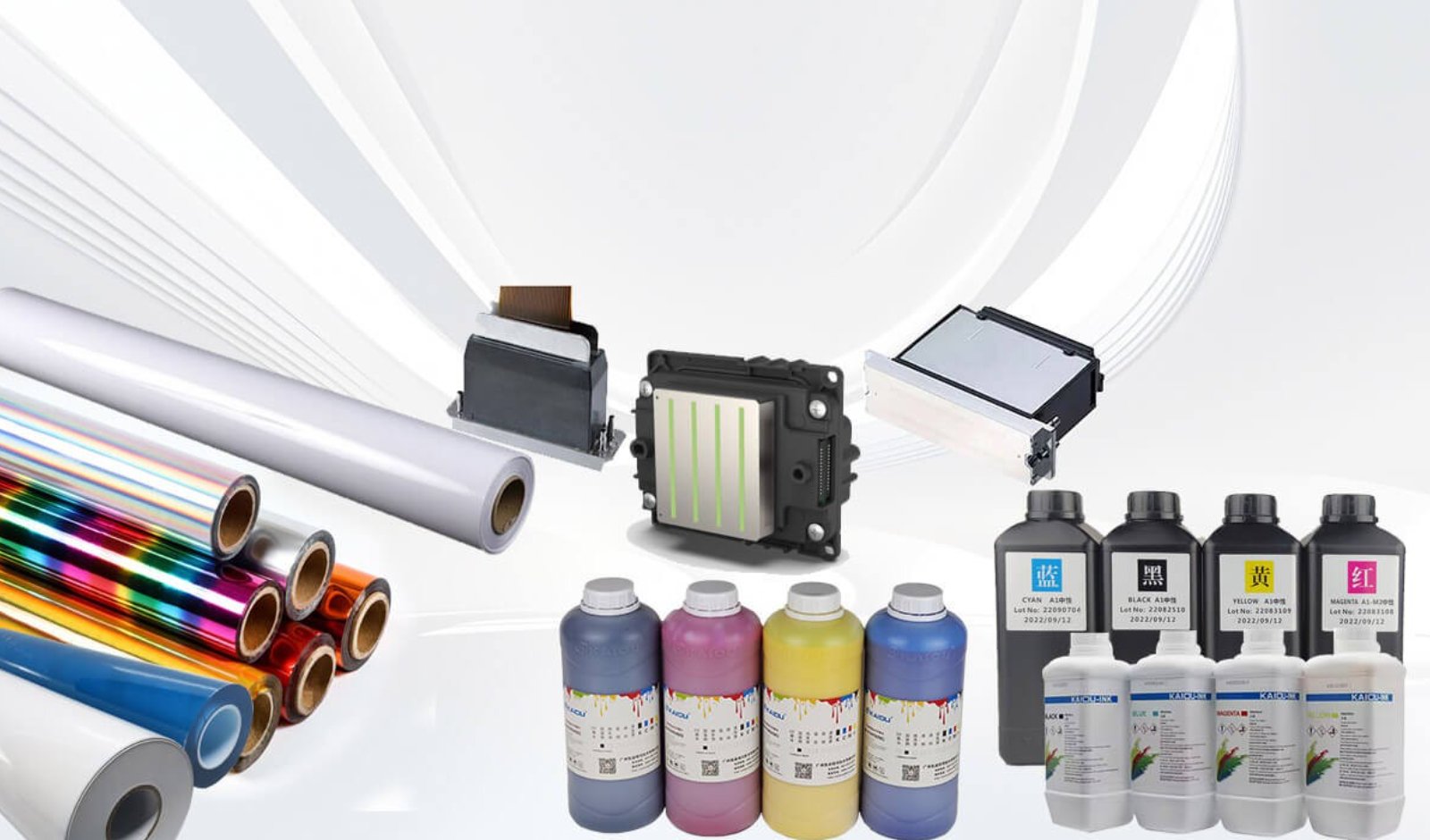
KAIOU UV inks are:
SGS tested
Phthalate-free (ND result)
Compliant with EN71-3 standards
Suitable for EU & US markets
👉 This ensures your products meet global safety and environmental requirements, especially for fashion and children’s wear.
Durability & Performance
3D TPU patches are built for real-world use:
✔ 50+ industrial washes at 60°C
✔ No cracking or peeling
✔ Strong adhesion on multiple fabrics
✔ Maintains 3D structure over time
👉 Compared to DTF, TPU patches offer longer lifespan and better premium perception.
Applications: Where 3D TPU Patches Are Used
This solution is already widely used in:
Streetwear & fashion brands
Sportswear & performance apparel
Corporate uniforms & branding
Bags, caps, and accessories
Promotional products
👉 Especially effective for logos, badges, and limited-edition designs.
Production Capacity & Profit Potential
With a KAIOU 6090 UV printer:
Up to 150+ patches (5×5cm) per batch
No minimum order requirement
Low material waste
Fast turnaround
👉 This enables a micro-factory model:
Accept small custom orders
Produce on demand
Sell high-margin products
Why Choose KAIOU 6090 UV Printer for TPU Patches
AI-assisted positioning & easy operation
Multi-layer printing for true 3D effect
Supports varnish, white, and color stacking
Stable output for commercial production
Proven usage across Europe, Southeast Asia, and the Americas
👉 Not just a printer—a complete apparel decoration solution.

FAQ: 3D TPU Heat Transfer Patches
Q1: Are TPU patches better than DTF printing
For premium apparel and branding, yes. TPU patches provide 3D texture, higher durability, and better perceived value.
Q2: Can UV printed patches be worn directly on clothing?
Yes. With certified inks, they are safe, flexible, and suitable for daily wear.
Q3: What fabrics can TPU patches be applied to?
Cotton, polyester, nylon, leather, and most performance fabrics.
Q4: Do TPU patches crack after washing?
No. High-quality TPU patches can withstand 50+ washes without cracking.
Q5: Is this suitable for small businesses?
Yes. The zero MOQ and simple workflow make it ideal for small studios and print shops.
Related Products