 English
  Portuguese
  Spanish
  Italian
  Turkish
  French
  German
  Japanese
  Korean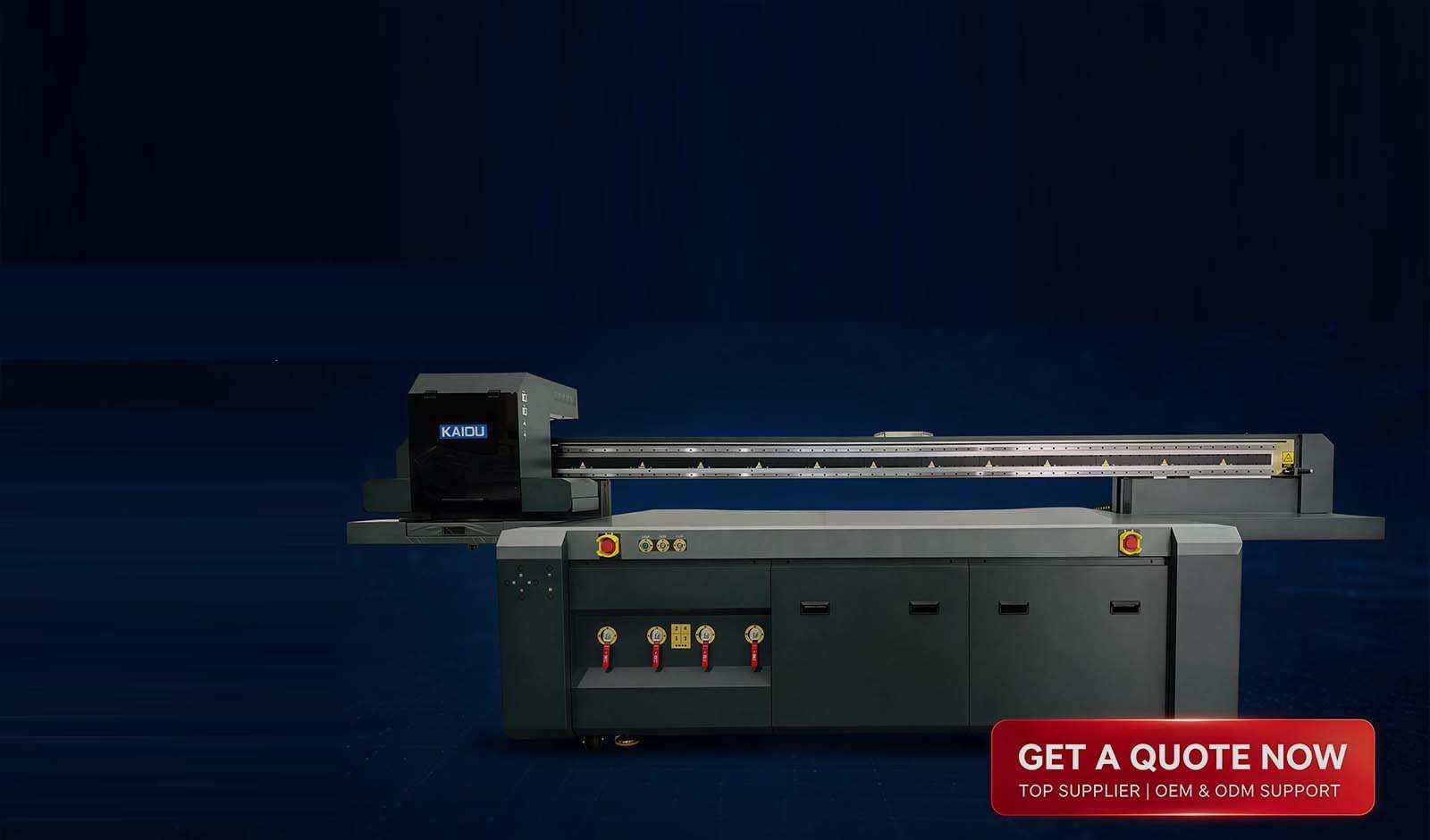
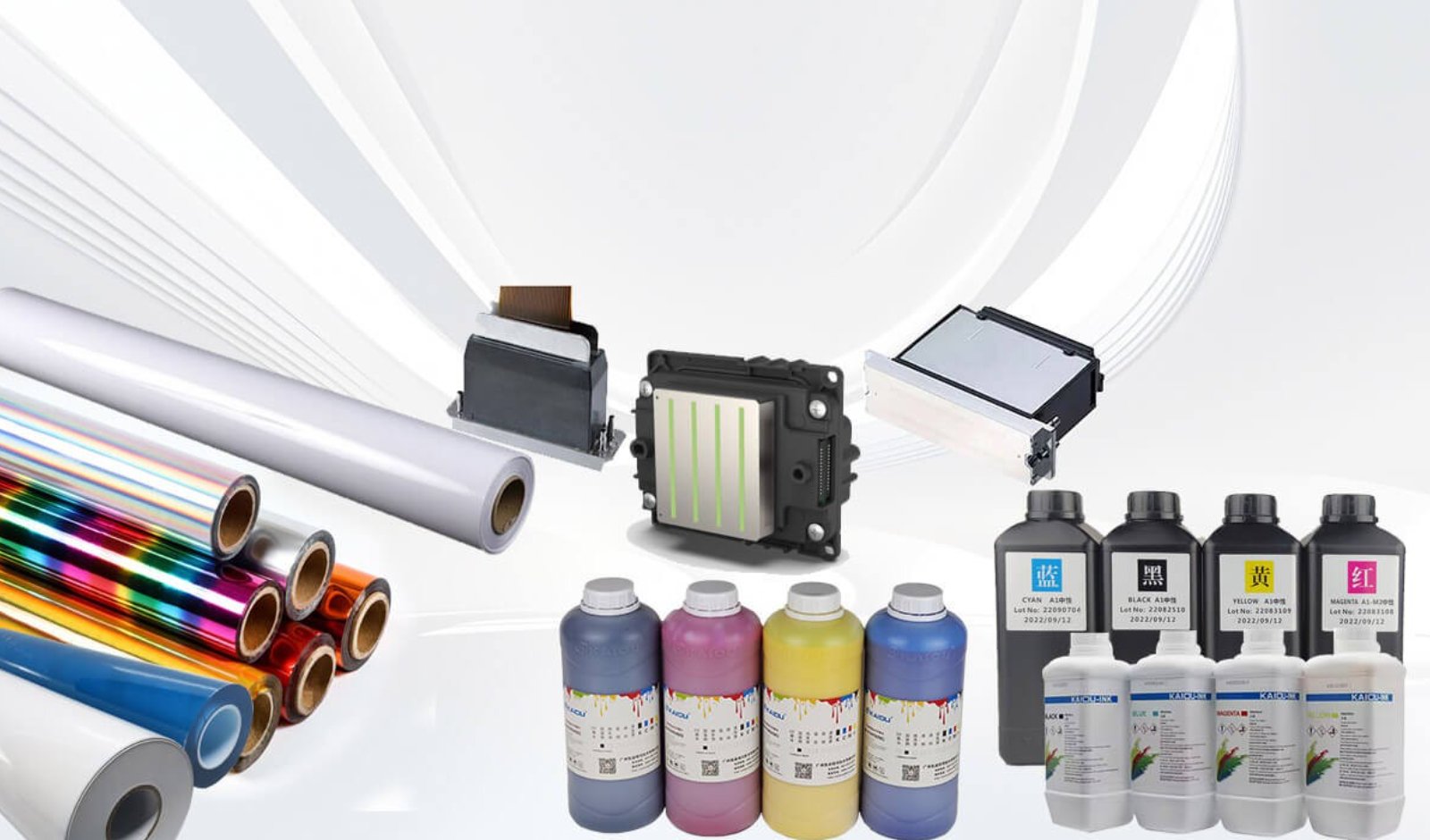
Magnetic Levitation vs Linear Rail in UV Printers: Which Technology Defines the Future of Precision Printing?
As UV printing moves toward higher precision and industrial automation, the motion system of the printer becomes a critical differentiator.
Two dominant technologies are shaping the market:
Magnetic Levitation (Maglev)
Linear Rail Motion Systems
Understanding their differences is essential for manufacturers, OEM factories, and print businesses making high-value equipment decisions.
Industry Positioning: Why Motion Systems Matter in UV Printing
In UV flatbed printing, motion accuracy directly affects:
print alignment
image sharpness
production stability
The motion system is not just a mechanical component — it defines print quality, efficiency, and long-term reliability.
In the UV printing industry, motion systems vary significantly depending on the machine class and production requirements.
Entry-level and desktop UV printers typically rely on belt-driven systems, which are cost-effective and suitable for light-duty applications, but may be limited in long-term precision and stability.
In contrast, industrial UV flatbed printers operate on a completely different engineering level. High-end machines may incorporate advanced motion technologies such as linear motors or even magnetic levitation systems to achieve smoother movement, higher positioning accuracy, and reduced mechanical wear.
This difference is not just technical — it directly impacts print consistency, equipment lifespan, and overall production ROI.
What Is Magnetic Levitation (Maglev) in UV Printers?
Maglev systems use magnetic force instead of physical contact to move the print carriage.
Key Advantages
near-zero friction
ultra-high precision
minimal mechanical wear
reduced vibration
Maglev represents the high-end evolution of motion systems in digital printing.
What Is Linear Rail Technology?
Linear rail systems use metal rails and bearings to guide carriage movement.
Key Advantages
mature technology
stable and reliable
cost-effective
widely used
Linear rails remain the industry standard due to their balance of performance and cost.
Maglev vs Linear Rail: Core Comparison
| Feature | Maglev | Linear Rail |
|---|---|---|
| Contact | Non-contact | Physical contact |
| Precision | Ultra-high | High |
| Maintenance | Low | Medium |
| Cost | High | Moderate |
| Stability | Very high | High |
| Lifespan | Longer | Standard |
Maglev excels in precision and longevity, while linear rails offer proven reliability and cost efficiency.
Market Reality: Who Is Using Maglev Technology?
Maglev systems are currently adopted by a limited number of high-end industrial printer manufacturers due to their complexity and cost.
High-End Industrial Brands
Some premium manufacturers in Europe and Asia have introduced maglev-based systems in:
high-speed industrial inkjet printers
advanced packaging printers
KAIOU Industrial Strategy
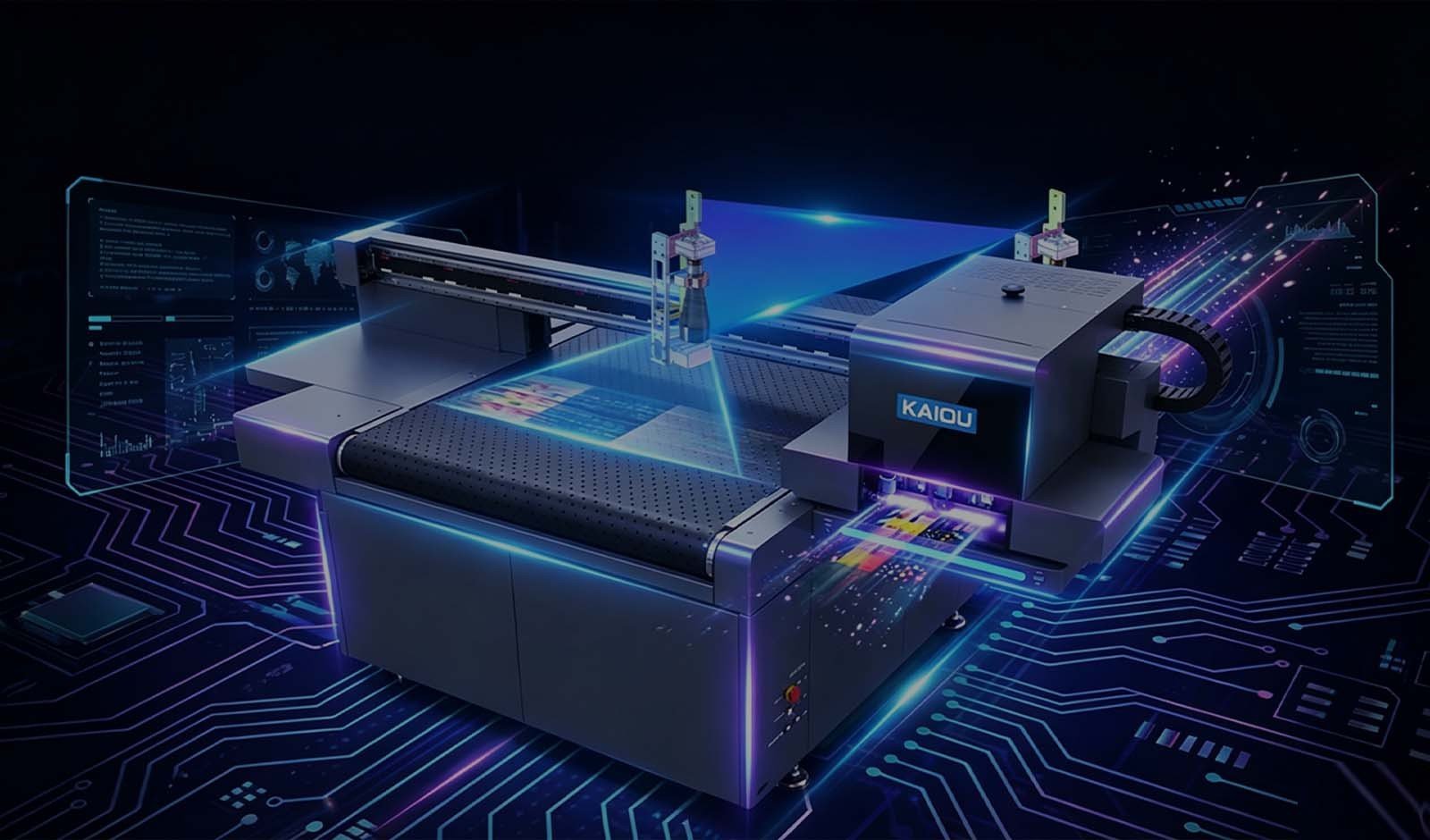
The KAIOU 9060 UV printer integrates advanced motion control and precision engineering to deliver:
high stability
accurate positioning
industrial-grade performance
While full maglev systems are still limited to ultra-high-end applications, KAIOU focuses on delivering optimal precision and ROI through advanced linear motion engineering and intelligent positioning systems.
KAIOU 9060 UV printer is designed to achieve industrial-grade precision through optimized motion systems, ensuring stability, accuracy, and cost-efficiency.
Technology Barrier: Why Maglev Is Not Widely Adopted
High Cost
Maglev systems significantly increase equipment price.
Complex Engineering
Requires advanced control systems and calibration.
Limited ROI for Most Users
Many businesses do not fully utilize ultra-high precision.
For most production environments, optimized linear systems provide better cost-performance balance.
ROI Model: Which System Is More Profitable?
Maglev
higher upfront investment
lower long-term wear
suitable for ultra-precision industries
Linear Rail
lower investment
stable output
faster ROI
ROI depends on your business model — not just technology level.
Competitive Analysis: What Most Suppliers Don’t Tell You
Many competitors:
over-promote “high-end technology”
ignore real production needs
👉
overpay for unnecessary precision
underutilized machine capability
Your Differentiation
focus on real production ROI
balance precision and cost
provide application-based solutions
👉
The best machine is not the most advanced — it is the most suitable for your production
Channel Strategy: Who Should Choose Which?
Choose Maglev If
ultra-high precision required
industrial automation line
large-scale investment
Choose Advanced Linear Systems If
general manufacturing
promotional products
flexible production
FAQ – Maglev vs Linear Rail
Is maglev better than linear rail?
Not always — it depends on application and ROI.
Do all industrial printers use maglev?
No, most still use optimized linear rail systems.
Which is more cost-effective?
Linear rail systems for most businesses.
Conclusion: Choose Technology Based on ROI, Not Hype
Maglev is a breakthrough technology — but not always necessary.
For most manufacturers, a well-engineered linear system provides:
reliable performance
lower cost
faster return on investment
Talk to Our Engineers About the Right System for Your Business
Request a Sample Print from 9060 UV Printer
Recent Posts
-
 Fortune 500 Factory Case: How Our UV Printers Improve Quality and Reduce Costs
On January 23, 2026, our engineering team conducted a proactive on-site visit to one of our long-term Fortune 500 partners. Unlike typical supplier visits, this was a preventive maintenance and performance inspection, ensuring that all equipment continues to operate at peak efficiency.
01/23/2026
-
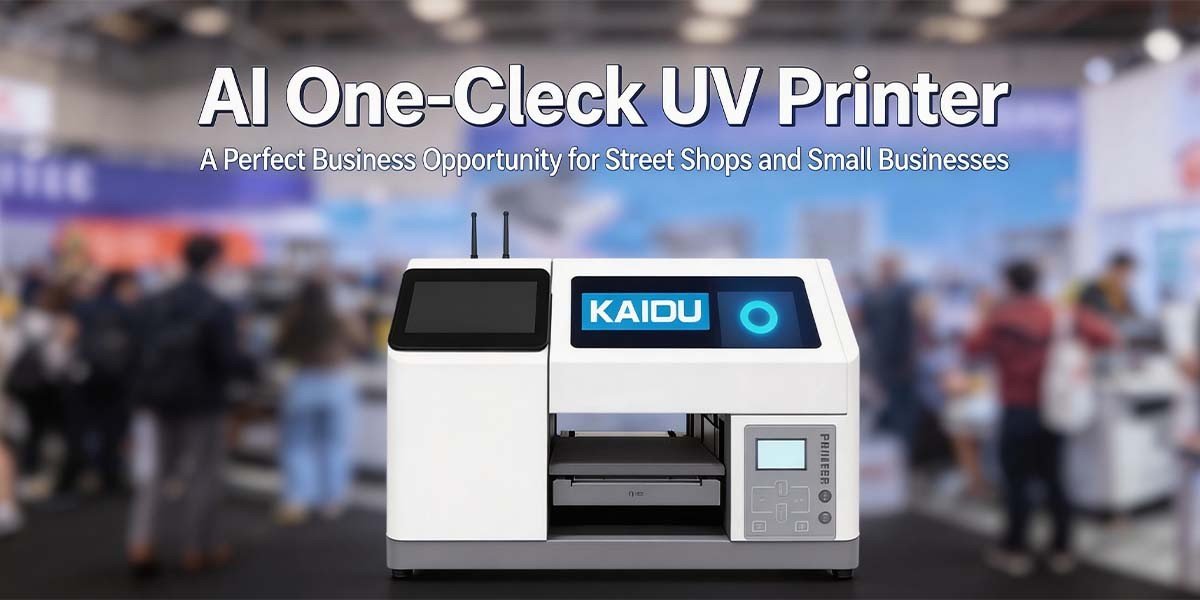 KAIOU at DPES 2026: New AI One-Click UV Printer & Industrial Solutions
2026 DPES Guangzhou International Advertising Exhibition: KAIOU Showcases UV Printing Innovations and New AI One-Click Printing System
03/12/2026
-
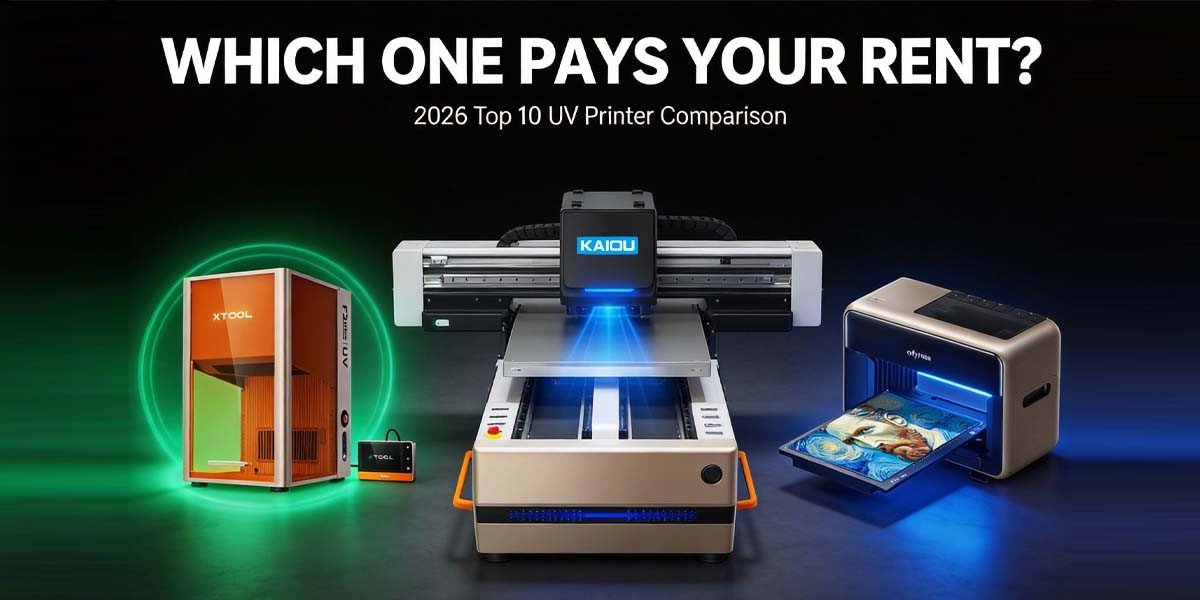
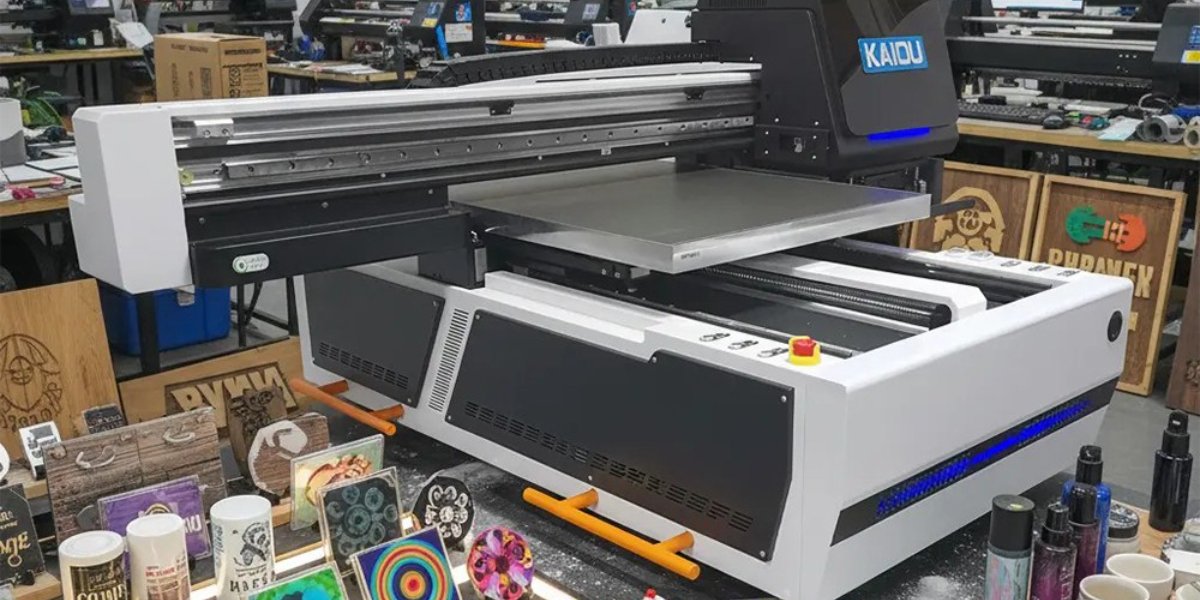 TOP 10 UV Printer Manufacturers: 2025 Ultimate Guide
In 2025, UV printing technology continues to empower businesses with affordable, multifunction, and high quality printing solutions. Whether you are a startup looking for personalized product customization or a large-scale manufacturer requiring industrial-grade output, choosing the right UV printer is critical for better prints, fewer breakdowns, and faster ROI.
01/22/2026
-
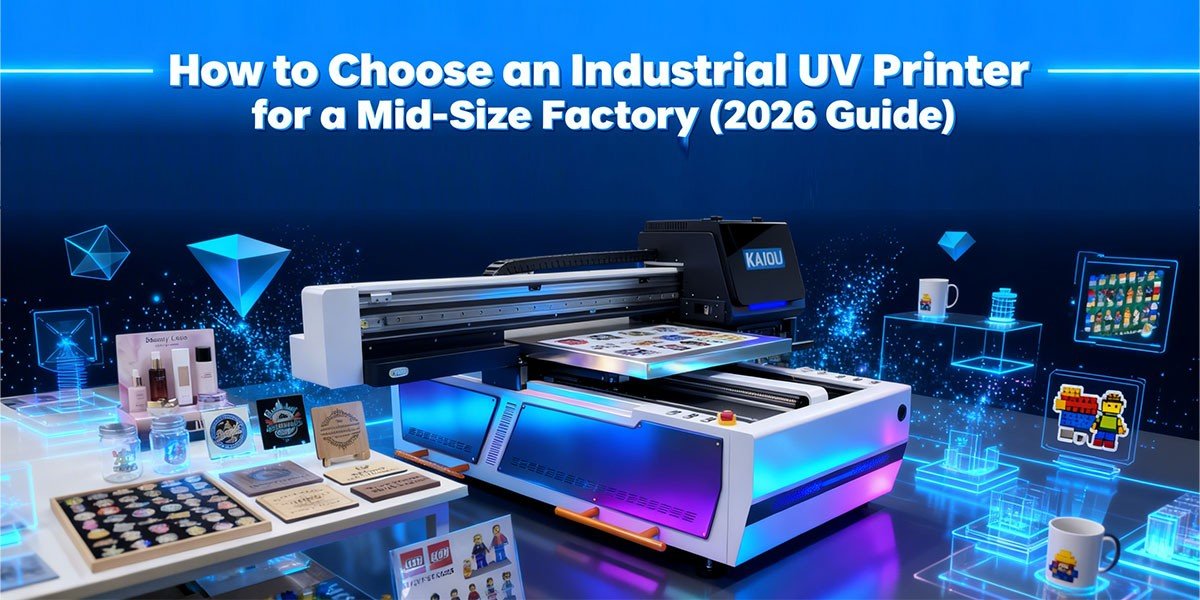 How to Choose an Industrial UV Printer for a Mid-Size Factory (2026 Guide)
Introduction: The Strategic Value of UV Printers in Modern Manufacturing For mid-size factories aiming to scale production while maintaining quality, selecting the right industrial UV printer is a decision that directly impacts operational efficiency, product diversification, and ROI. In 2026, advancements in UV printing technology—coupled with growing demand for high-precision, eco-friendly solutions—have made this choice more critical than ever. This guide breaks down the essential factors to consider, ensuring your investment aligns with both current needs and future growth.
03/04/2026
-
-
-
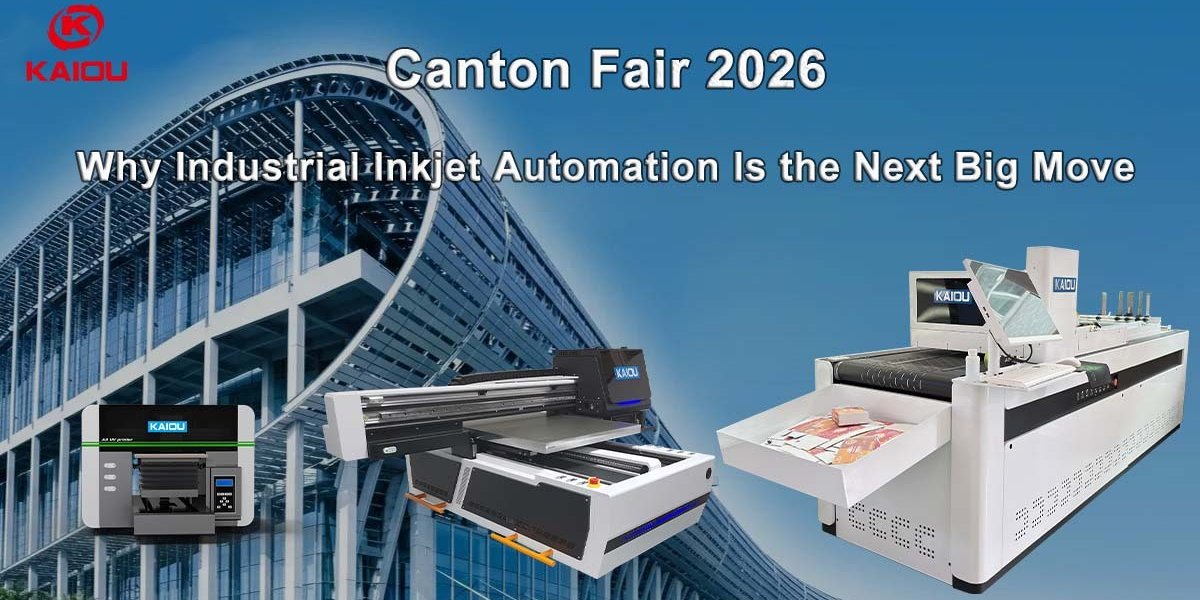 Best Printing Machines at Canton Fair 2026: Why Industrial Inkjet Automation Is the Next Big Move
The Canton Fair 2026 Phase 1 (April 15–19) showcased a clear trend: industrial automation in inkjet printing is accelerating worldwide. From UV printers to high-speed one-pass systems, global buyers are no longer just sourcing products—they are investing in production technology to reduce costs, improve efficiency, and enable on-demand manufacturing. In this article, we break down the most popular printing machines at Canton Fair 2026, why buyers are shifting toward automation, and how you can apply these solutions to your own business.
04/20/2026
-
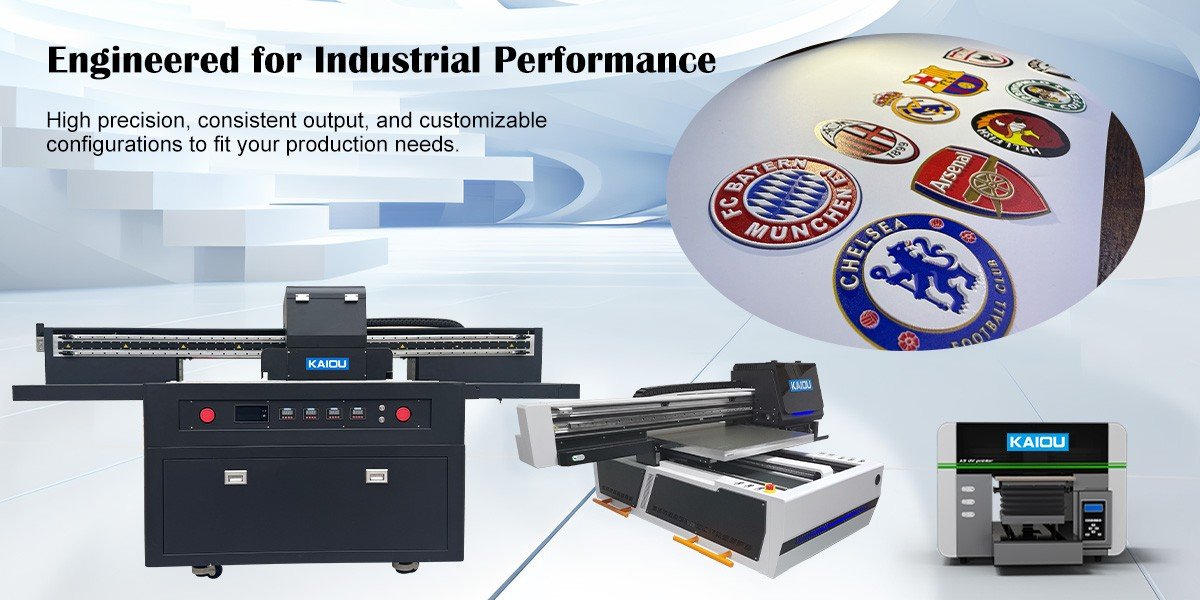 Experience the Next Level of Printing with KAIOU UV Printer’s 3D Embossing Effect
In the world of modern printing, visuals are no longer enough — people want texture they can see and feel. KAIOU UV printers bring your designs to life with a high-precision 3D embossing effect, creating stunning raised textures with exceptional clarity. Whether you’re making luxury crafts or transferring designs onto apparel, KAIOU offers the solution.
08/08/2025
-
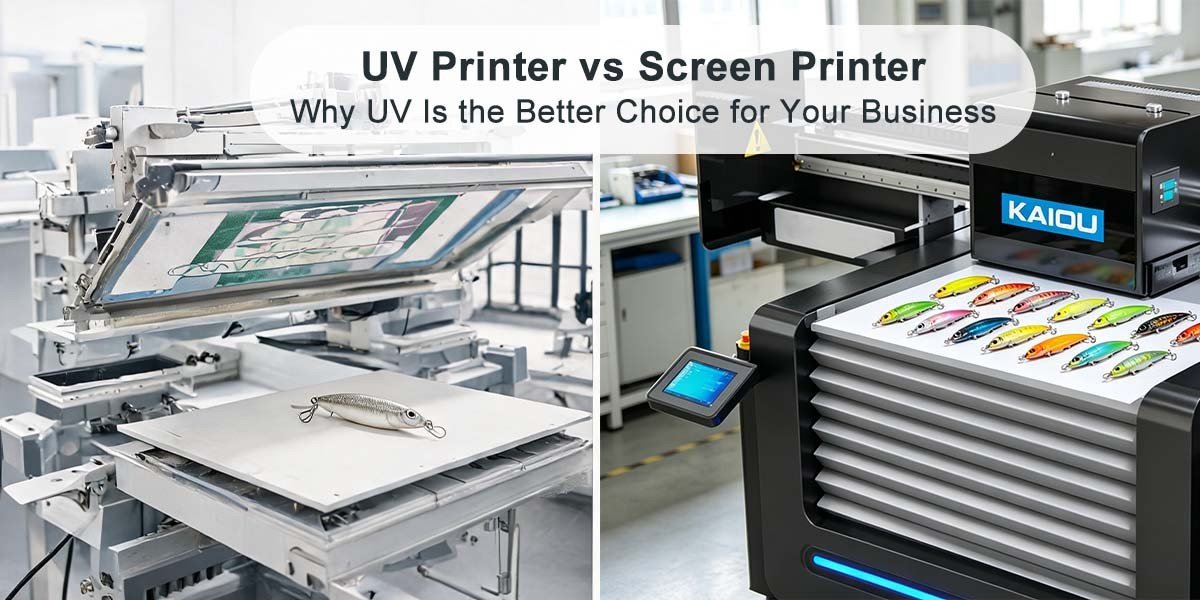 UV Printer vs Screen Printer for Fishing Lure Printing: Why UV Is the Better Choice for Your Business
Fishing lure manufacturers and tackle product suppliers face one common production dilemma: great lure design ideas cannot be perfectly printed, and profitable small-batch custom orders are constantly lost. For decades, screen printing has been the mainstream printing method for hard lures, soft baits, and fishing tackle accessories. It is true that screen printing delivers fast single-color mass printing speed, but for today’s fishing gear market dominated by Amazon stores, independent e-commerce sellers, and personalized customized orders, traditional screen printing has become a costly, time-wasting, and profit-killing production bottleneck for fishing lure UV printing.
05/20/2026
-