 English
  Portuguese
  Spanish
  Italian
  Turkish
  French
  German
  Japanese
  Korean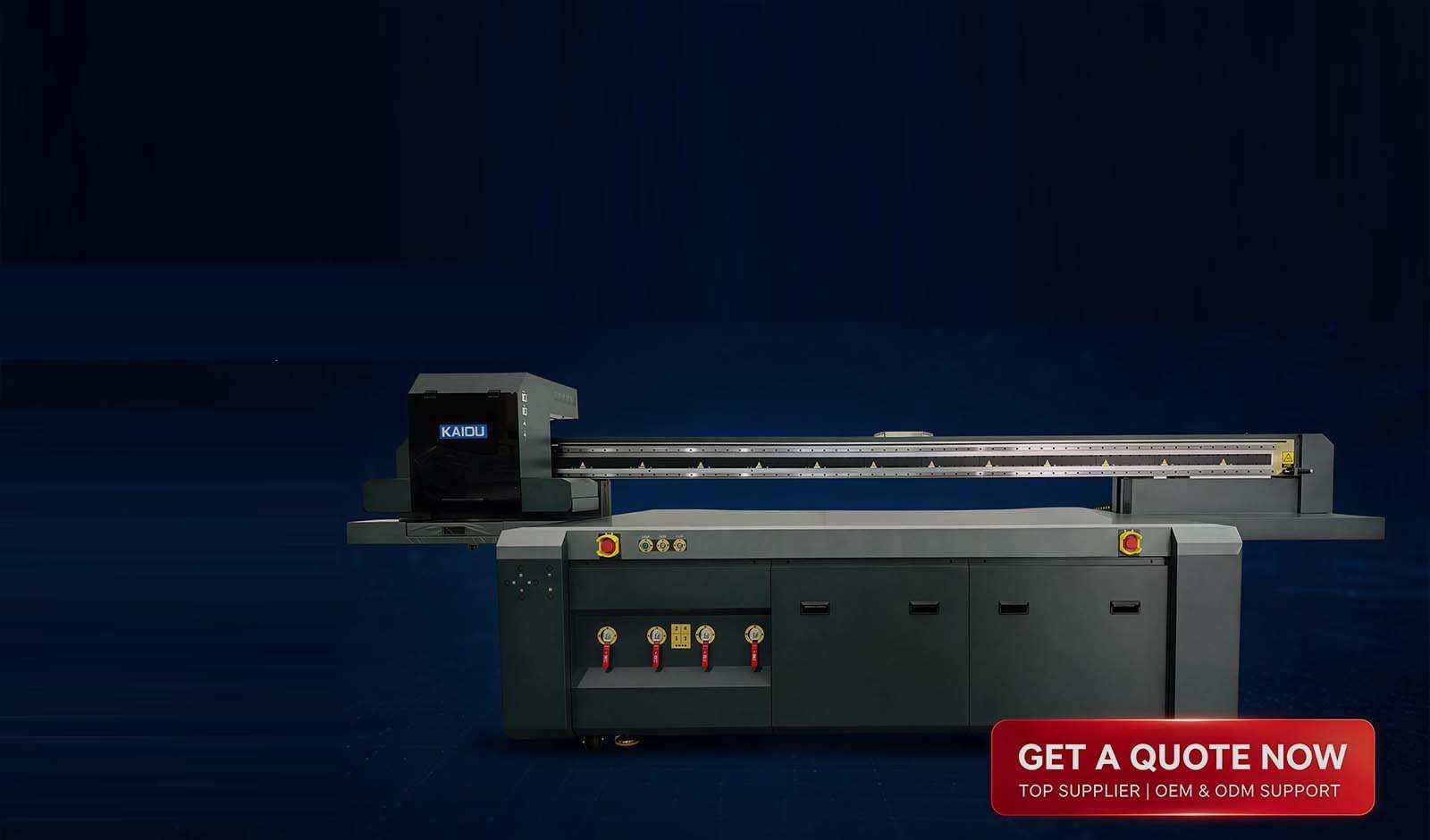
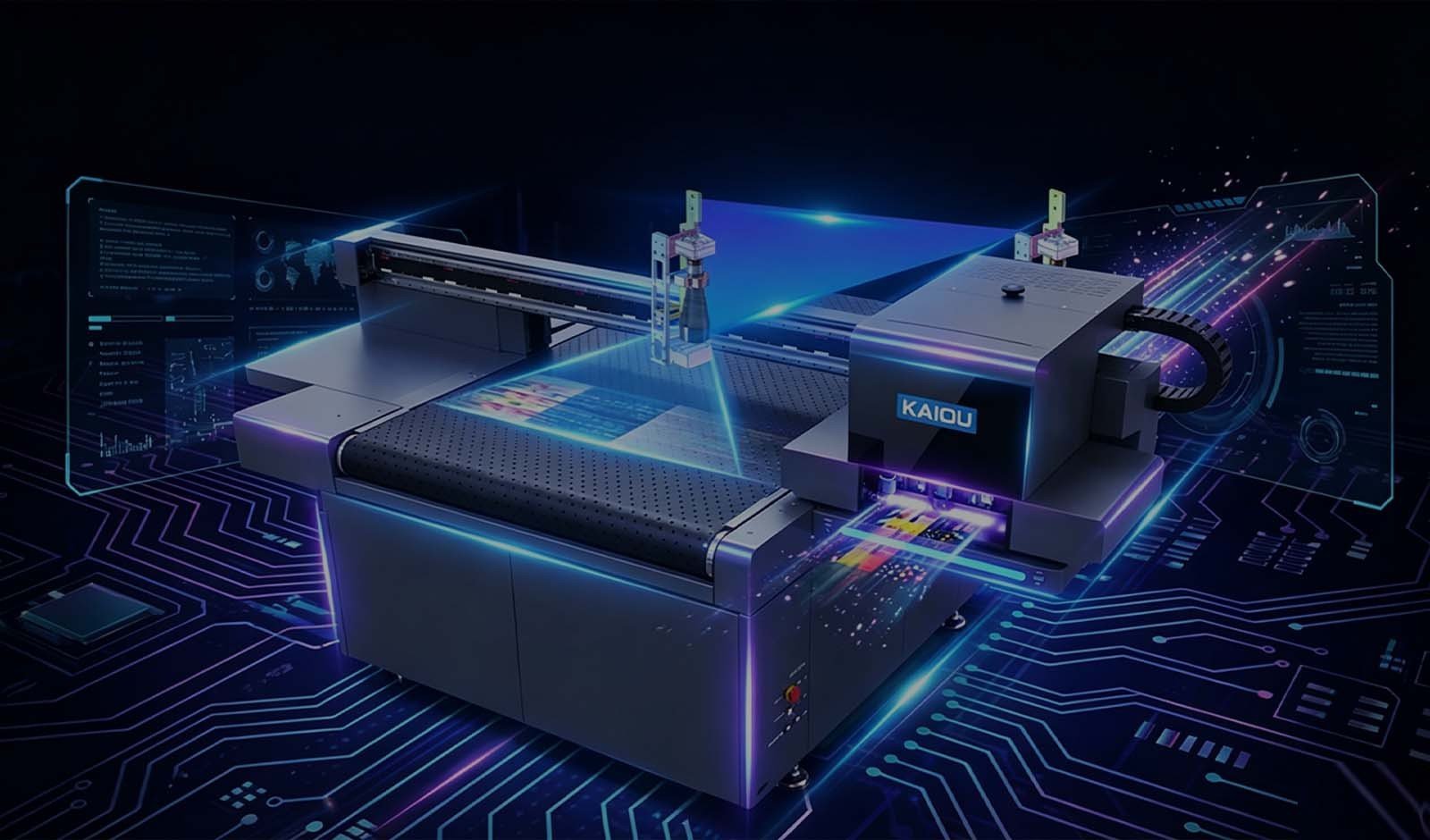
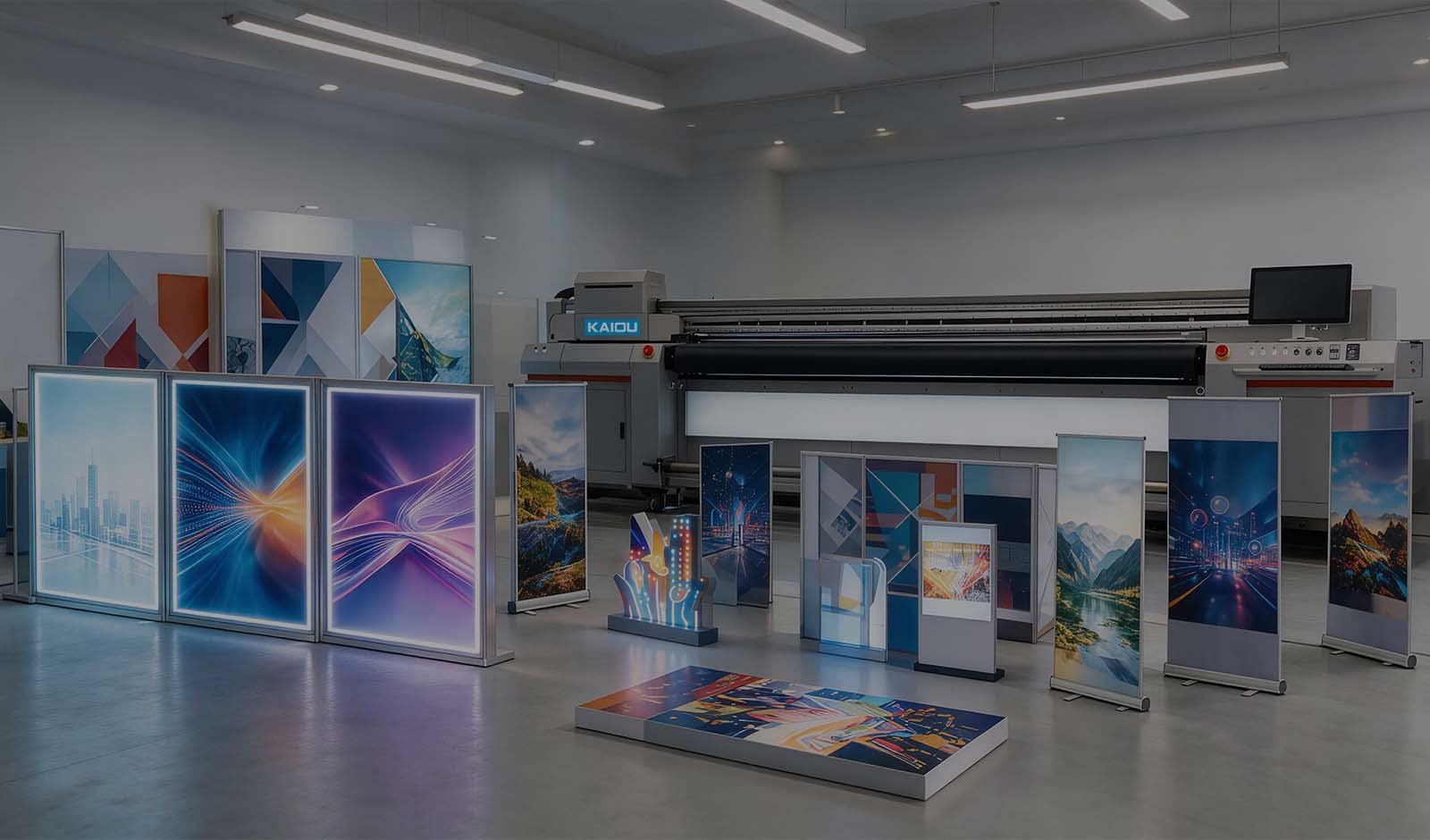
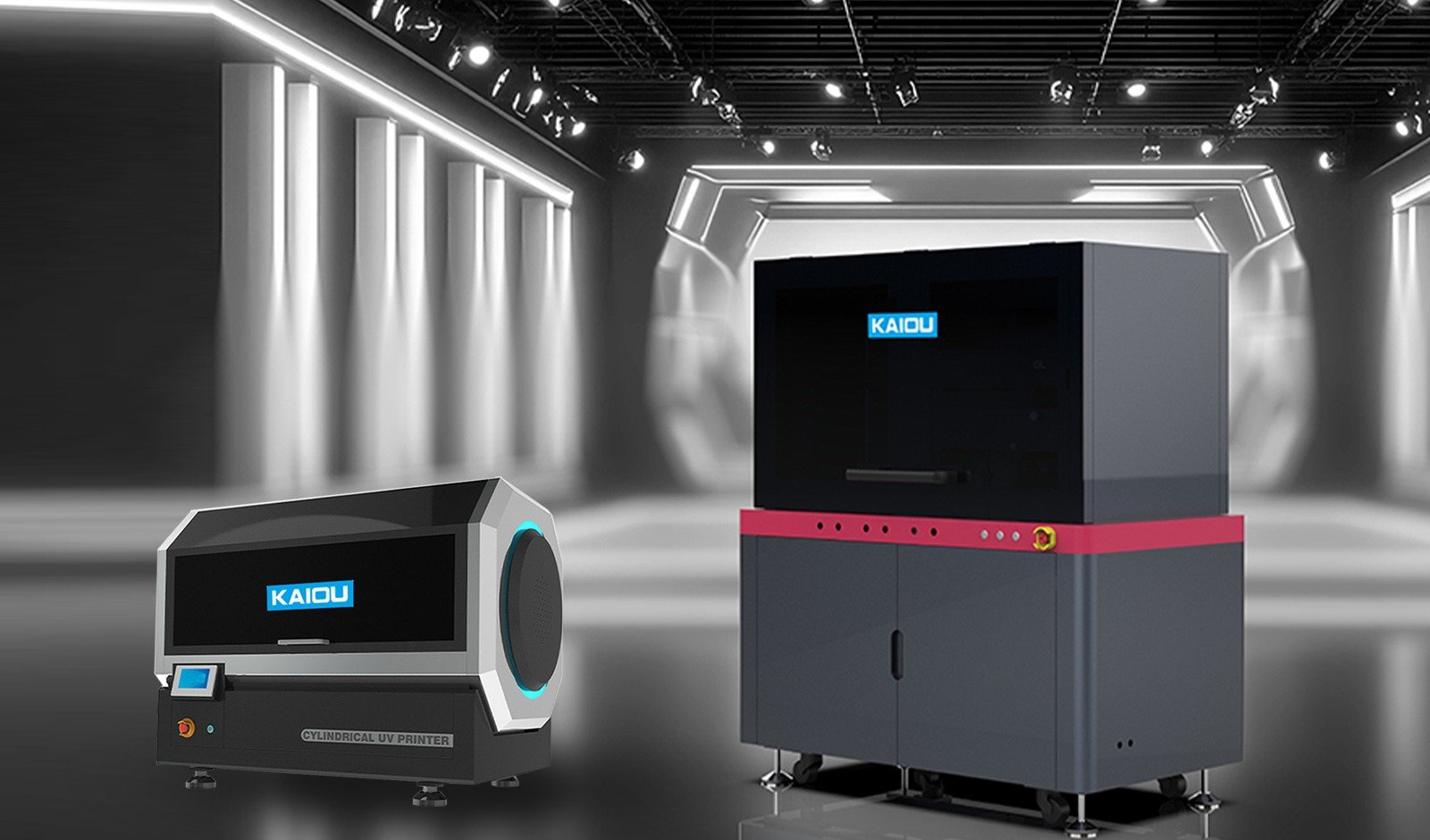
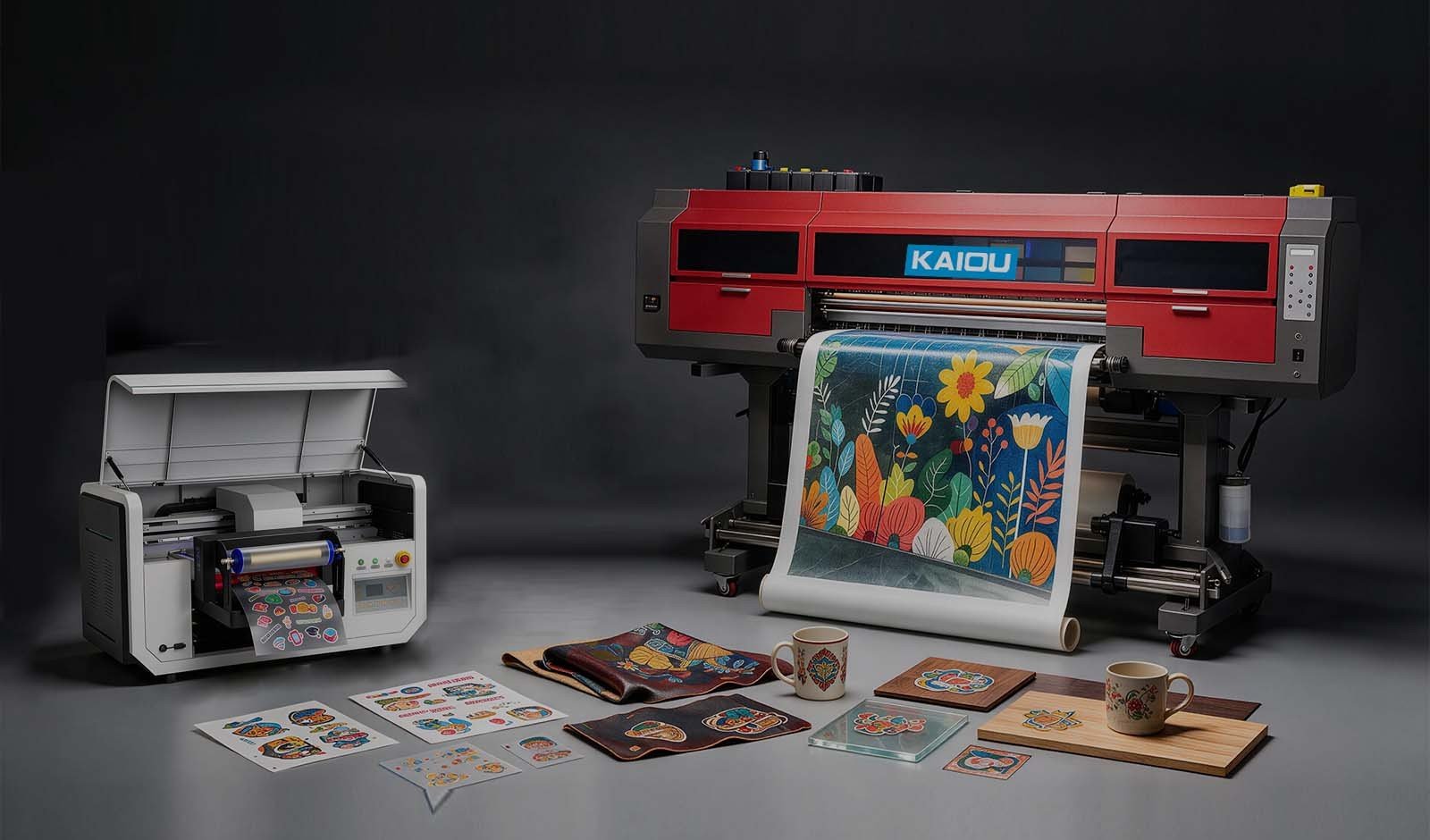
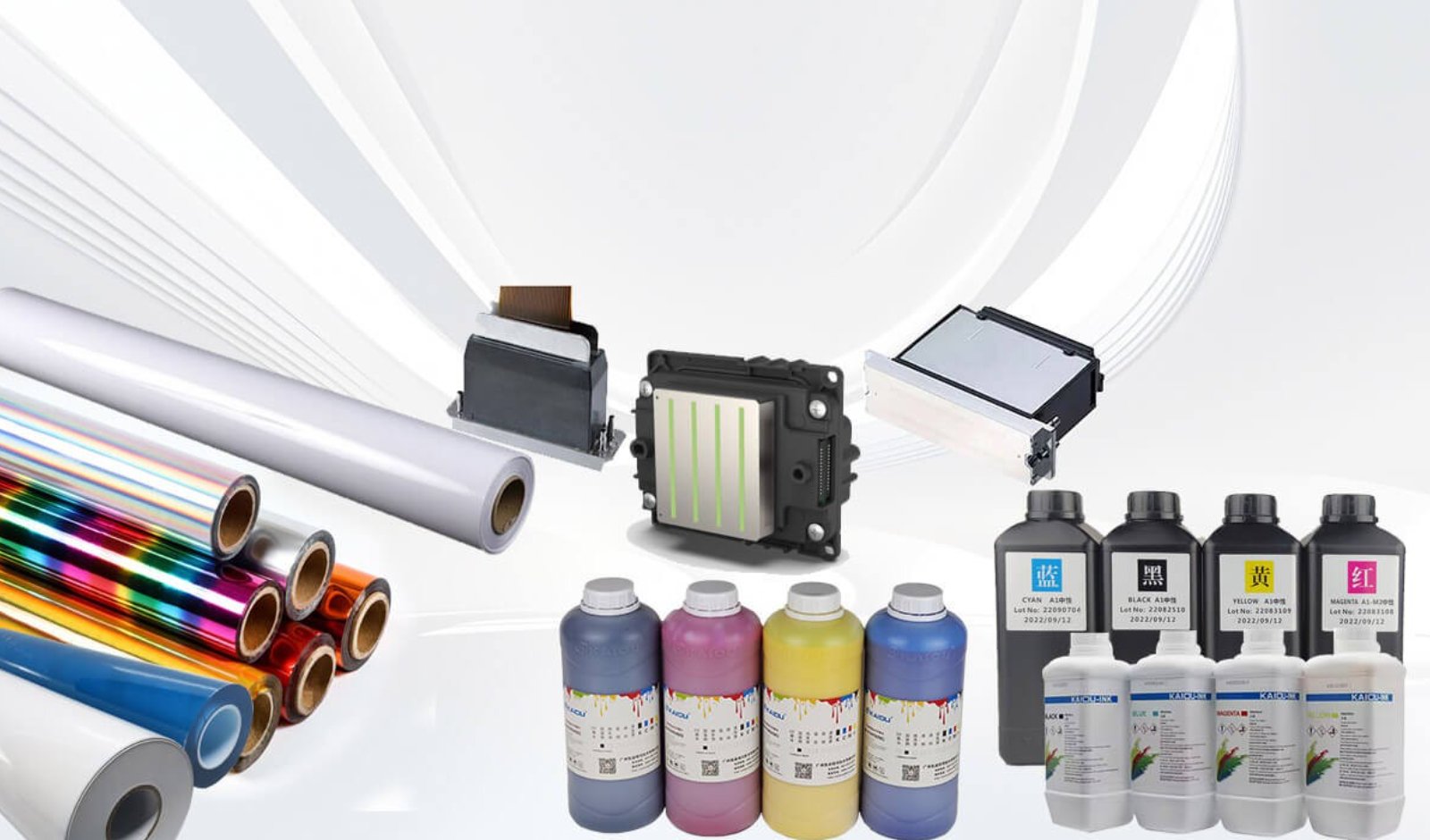
Industrial UV Printers vs Traditional Printing Systems: A 2026 Cost & Efficiency Breakdown for Mid-Size Factories
1. Why Traditional Printing Workflows Are Becoming Obsolete
For decades, eco-solvent and screen printing dominated. However, modern production demands have shifted:
Short-run customization: High setup costs for traditional methods.
Faster turnaround: Drying times create massive bottlenecks.
Labor dependency: Traditional workflows require more manual intervention.
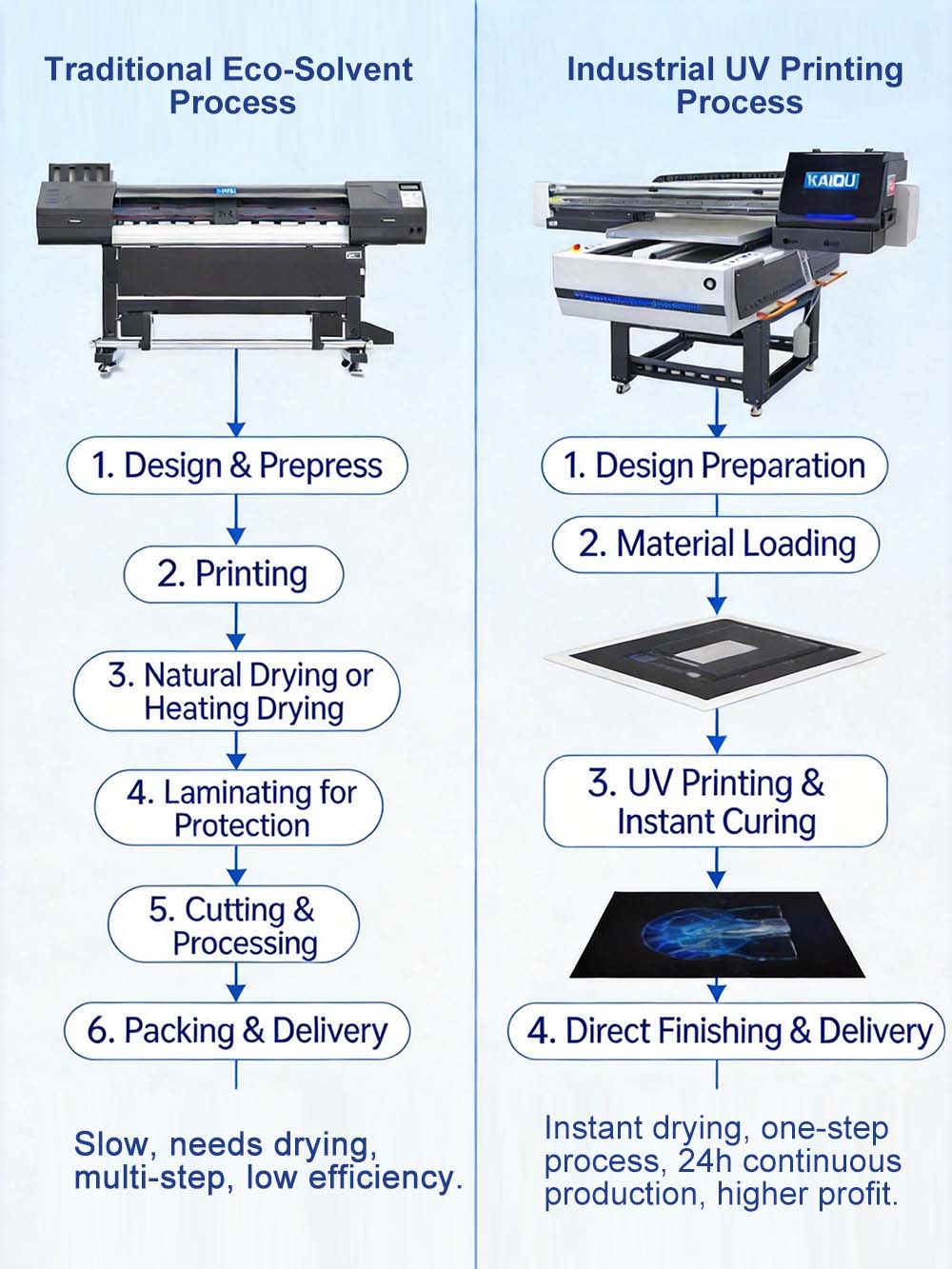
Traditional workflows involve:
Printing -> Drying (6–24 hours) -> Lamination -> Manual finishing -> Quality inspection.
Industrial UV systems compress these stages into a single continuous, instant-curing workflow.
2. Production Time Comparison (Workflow Compression)
To quantify the efficiency gain, we use the Efficiency Gain Ratio (EGR):
[ EGR = (1 - (UV Production Time / Traditional Production Time)) * 100% ]
Traditional eco solvent System: ~20 hours (due to 8–12h drying + lamination).
Industrial UV Printer: ~5 hours (Instant curing + same-day finishing).
Efficiency Improvement: 75% faster order completion.
Impact: This fundamentally changes order scheduling capacity, moving from "next-day delivery" to "same-hour dispatch."
3. Labor Dependency & Operational Cost Reduction
In a two-shift mid-size factory, labor is the highest recurring expense. The Annual Labor Cost (ALC) impact:
[ ALC = (Operators per shift * 2 shifts) * Monthly Wage * 12 Months ]
Traditional eco solvent Setup: 6 operators @ $3,500/mo = $252,000 / year
Industrial UV Setup: 4 operators @ $3,500/mo = $168,000 / year
Potential Reduction: Up to 33–40% labor dependency.
Insight: This is particularly critical in regions facing skilled labor shortages in 2026.
4. Rework & Material Waste Convergence
Traditional systems frequently experience ink smudging and registration errors during the drying phase. The Waste Cost Mitigation (WCM) model:
[ WCM = Annual Revenue * (Traditional Waste % - UV Waste %) ]
For a factory with $1.44M Annual Revenue:
8% Waste (Traditional): $115,200 loss/year
3% Waste (Industrial UV): $43,200 loss/year
Annual Recovered Profit: $72,000.
Note: Operational stability through UV direct-curing compounds these financial gains.
5. Multi-Material Production Advantage
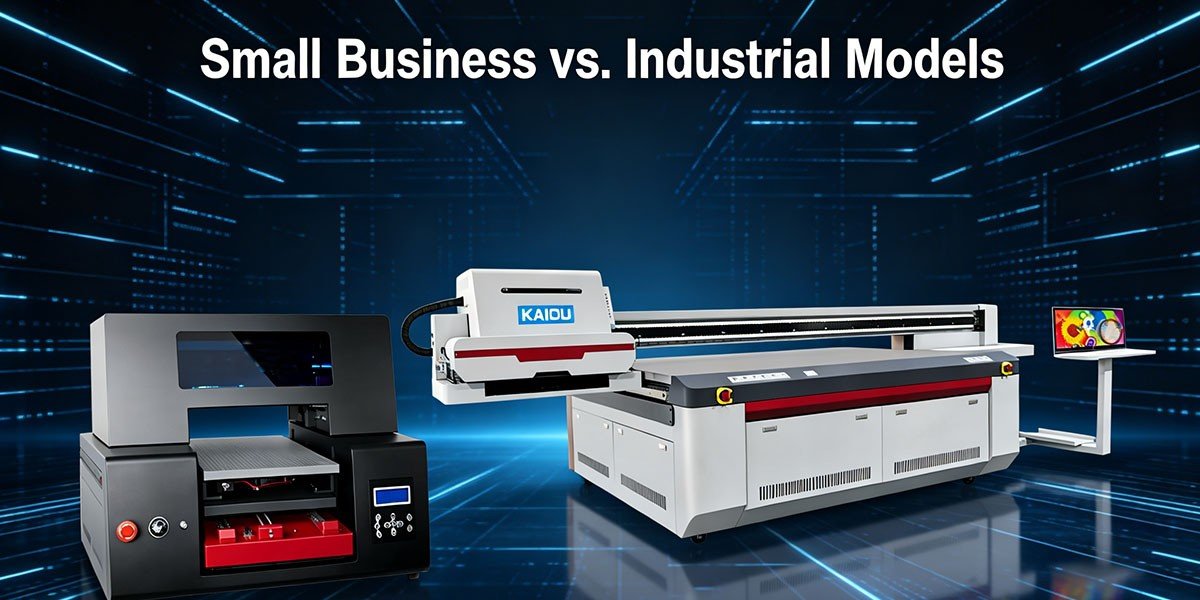
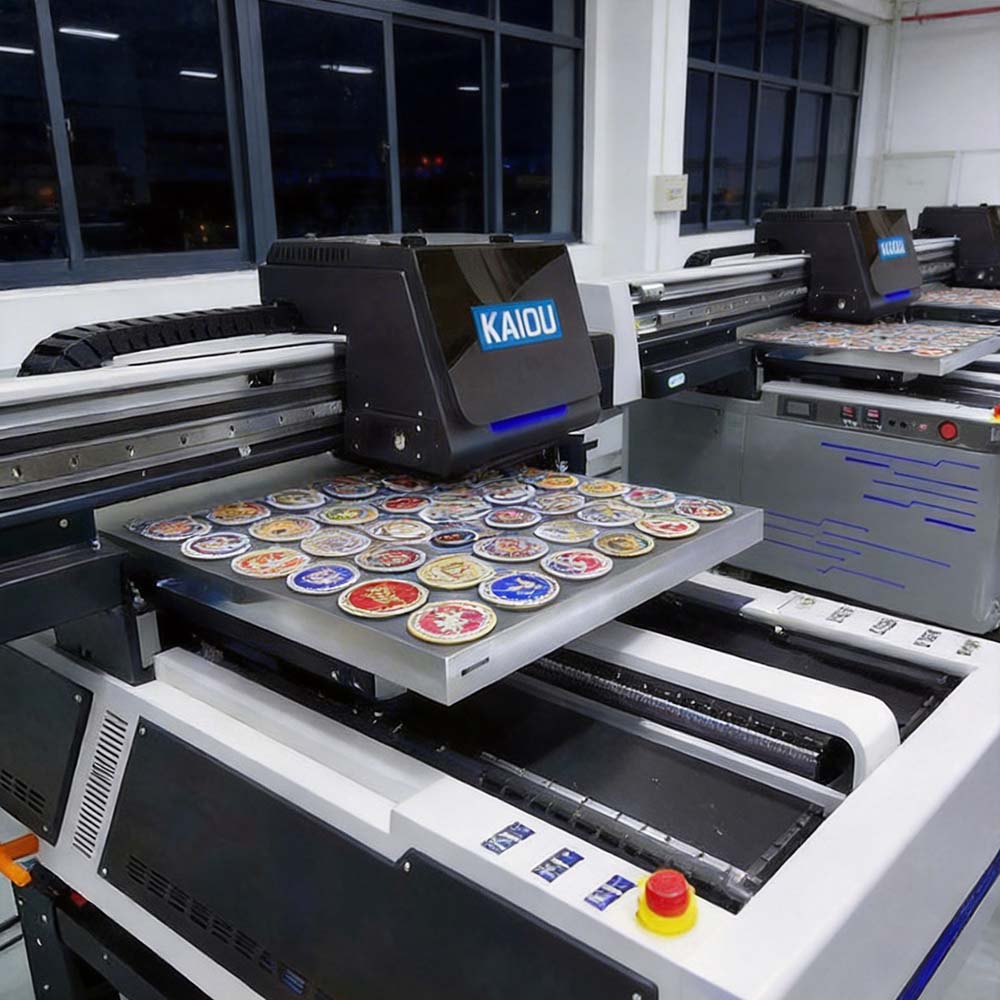
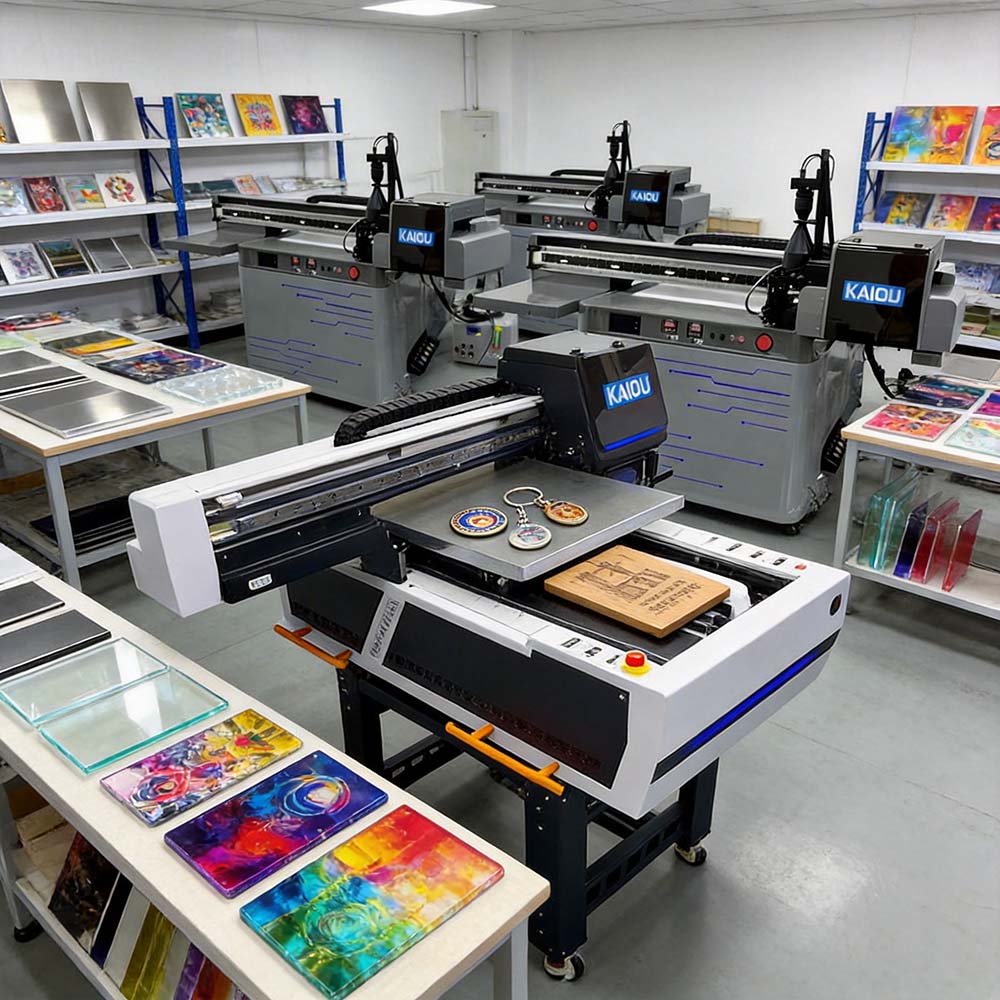
Industrial UV flatbed printers can directly print on:
Acrylic, Metal, Glass, Wood, PVC, and Packaging boards.
Traditional eco-solvent systems are substrate-limited. This flexibility enables:
Entry into premium signage markets (direct-to-glass/metal).
Direct-to-object production (customized enclosures/giftware).
Revenue diversification often offsets machine investment faster than cost savings alone.
6. Comprehensive ROI Model (Mid-Size Factory Scenario)
Estimated Industrial UV Investment: $35,000 - $45,000 (I)
[ ROI % = ((Labor Savings + Waste Recovery + New Revenue) / I) * 100% ]
Labor Savings: $84,000
Waste Recovery: $72,000
New Market Revenue: $100,000+
Combined Impact: Even under conservative 40% realization, ROI typically falls within 8–18 months.
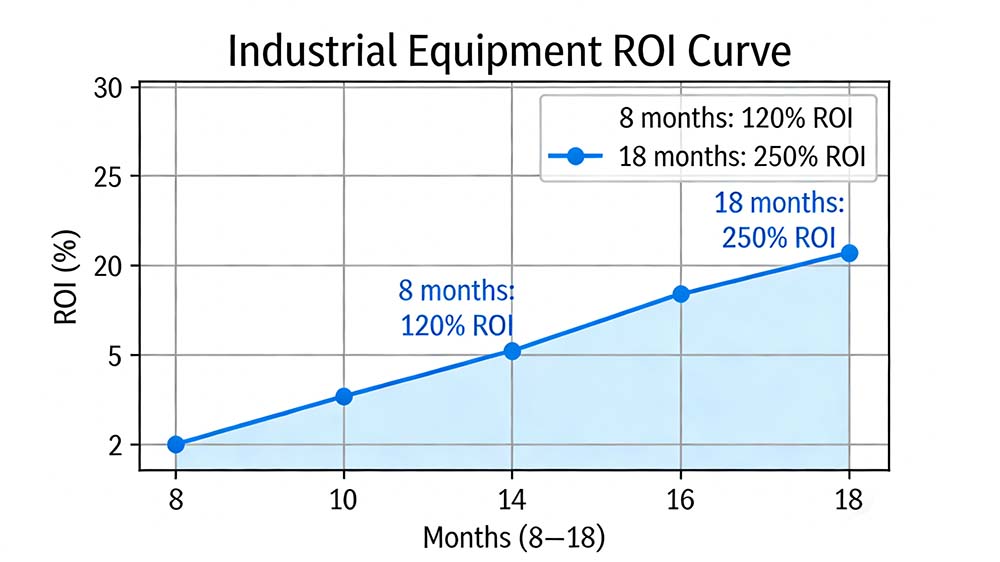
A custom printing shop in the United States reported a 42% reduction in order turnaround time after upgrading to an industrial UV system.
7. 2026–2028 Industry Outlook
Global manufacturing is shifting toward on-demand, decentralized, and low-human-dependency production. Industrial UV systems align with these automation trends. Factories that delay upgrading may experience:
Slower turnaround cycles and reduced order competitiveness.
Higher operational overhead and shrinking margins.
Final Industry Statement
Industrial UV printers are replacing traditional systems because they compress workflow stages, reduce operational risk, and increase production flexibility. In mid-size factories, the financial advantage becomes measurable and profitable within the first production year.
Recent Posts
-
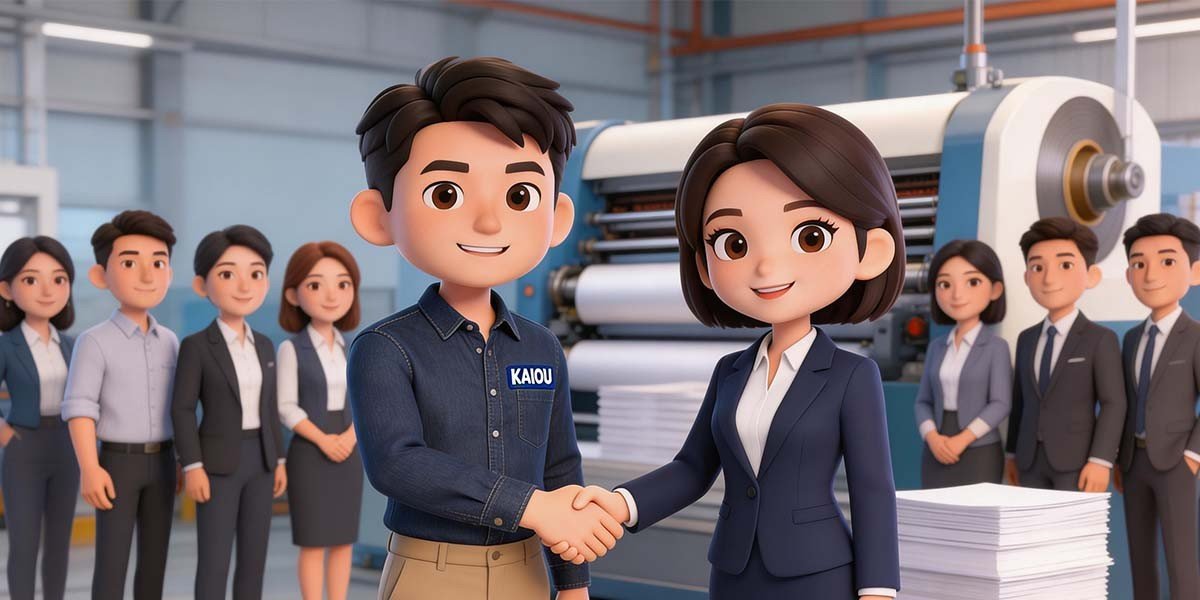 Fortune 500 Factory Case: How Our UV Printers Improve Quality and Reduce Costs
On January 23, 2026, our engineering team conducted a proactive on-site visit to one of our long-term Fortune 500 partners. Unlike typical supplier visits, this was a preventive maintenance and performance inspection, ensuring that all equipment continues to operate at peak efficiency.
01/23/2026
-
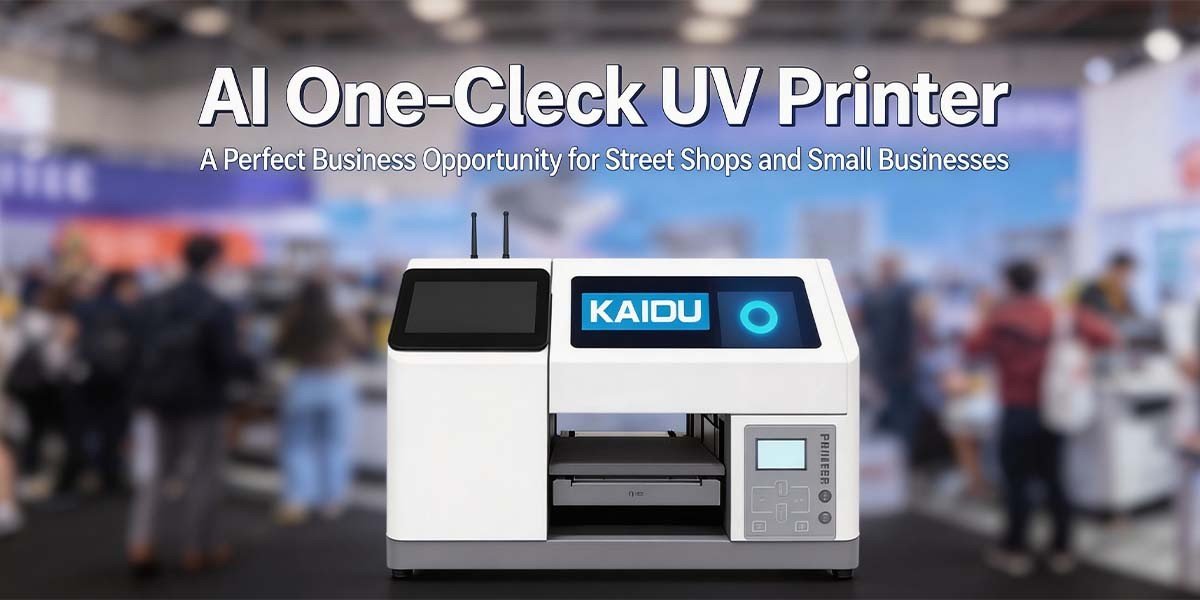 KAIOU at DPES 2026: New AI One-Click UV Printer & Industrial Solutions
2026 DPES Guangzhou International Advertising Exhibition: KAIOU Showcases UV Printing Innovations and New AI One-Click Printing System
03/12/2026
-
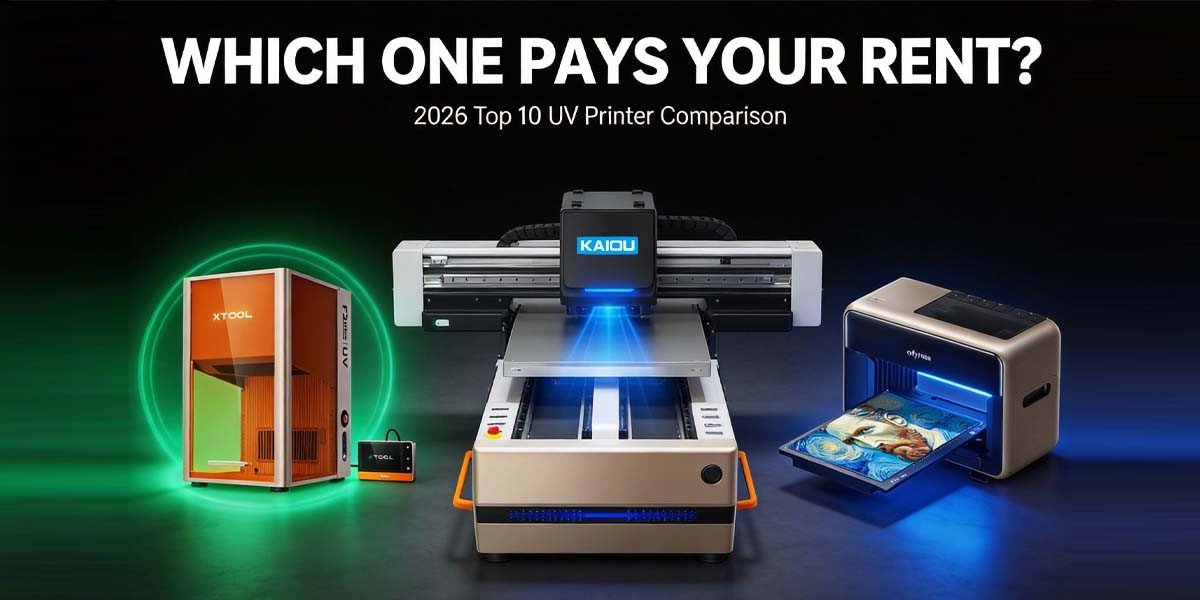
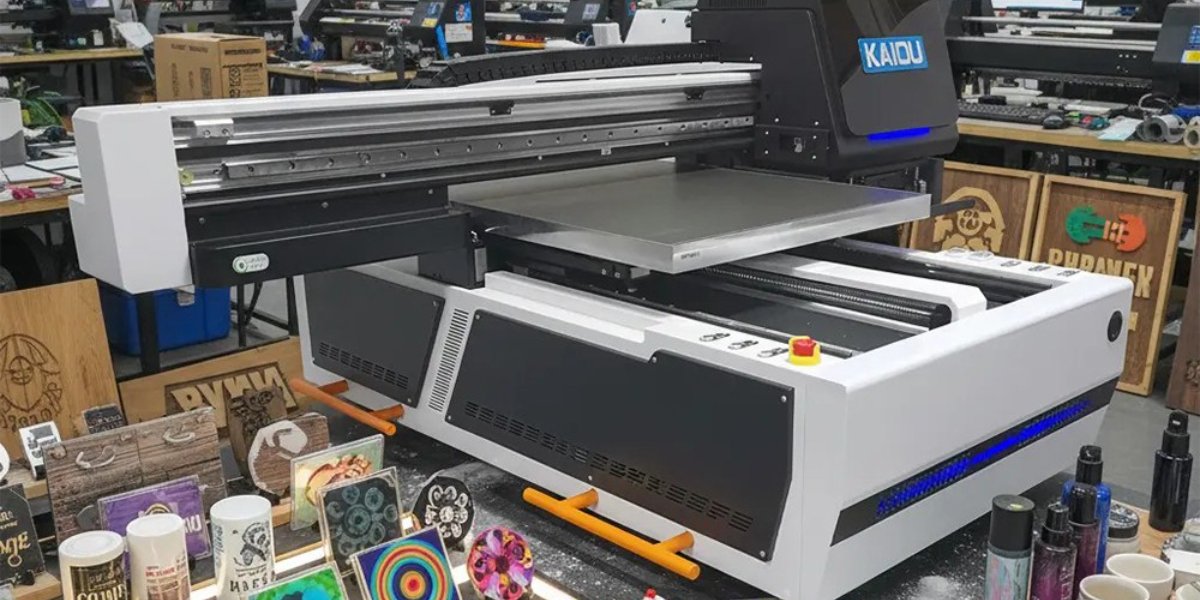 TOP 10 UV Printer Manufacturers: 2025 Ultimate Guide
In 2025, UV printing technology continues to empower businesses with affordable, multifunction, and high quality printing solutions. Whether you are a startup looking for personalized product customization or a large-scale manufacturer requiring industrial-grade output, choosing the right UV printer is critical for better prints, fewer breakdowns, and faster ROI.
01/22/2026
-
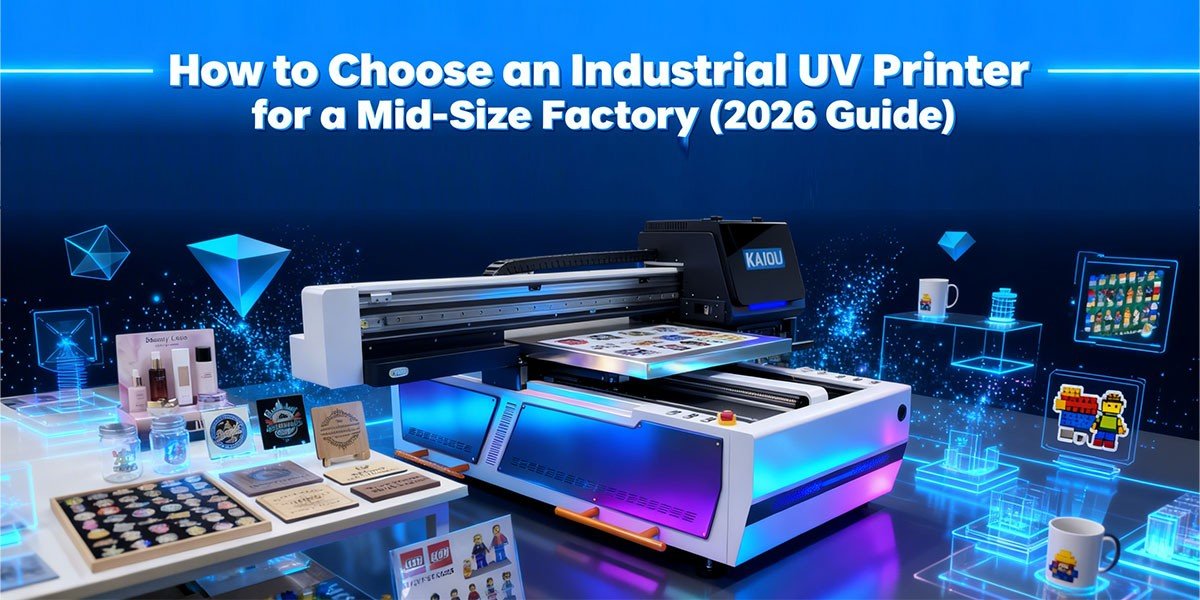 How to Choose an Industrial UV Printer for a Mid-Size Factory (2026 Guide)
Introduction: The Strategic Value of UV Printers in Modern Manufacturing For mid-size factories aiming to scale production while maintaining quality, selecting the right industrial UV printer is a decision that directly impacts operational efficiency, product diversification, and ROI. In 2026, advancements in UV printing technology—coupled with growing demand for high-precision, eco-friendly solutions—have made this choice more critical than ever. This guide breaks down the essential factors to consider, ensuring your investment aligns with both current needs and future growth.
03/04/2026
-
-
-
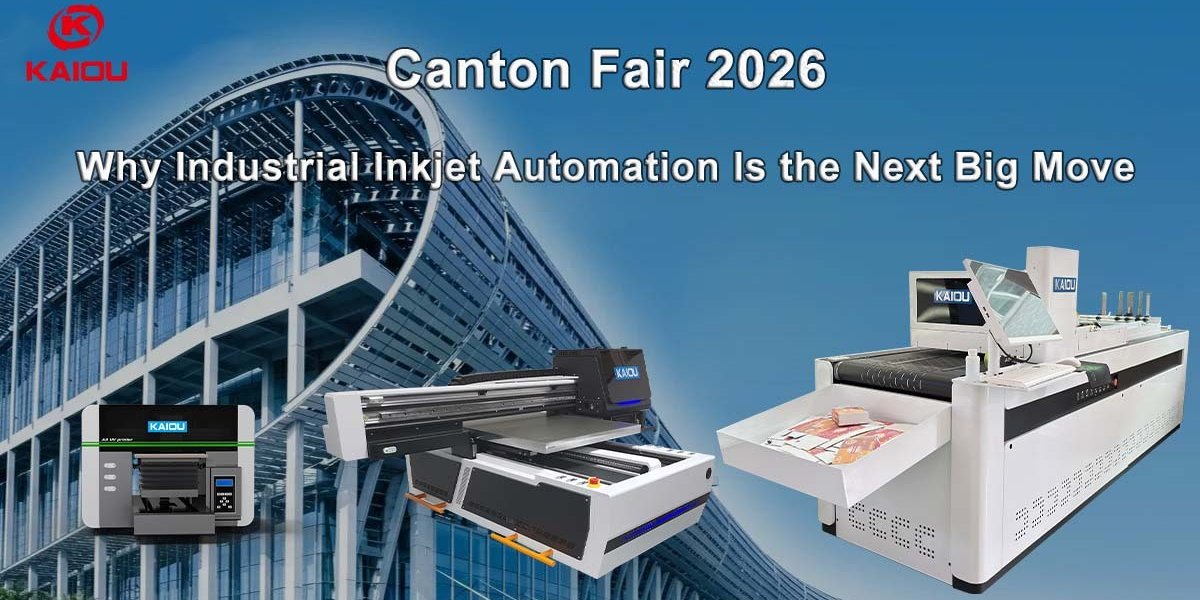 Best Printing Machines at Canton Fair 2026: Why Industrial Inkjet Automation Is the Next Big Move
The Canton Fair 2026 Phase 1 (April 15–19) showcased a clear trend: industrial automation in inkjet printing is accelerating worldwide. From UV printers to high-speed one-pass systems, global buyers are no longer just sourcing products—they are investing in production technology to reduce costs, improve efficiency, and enable on-demand manufacturing. In this article, we break down the most popular printing machines at Canton Fair 2026, why buyers are shifting toward automation, and how you can apply these solutions to your own business.
04/20/2026
-
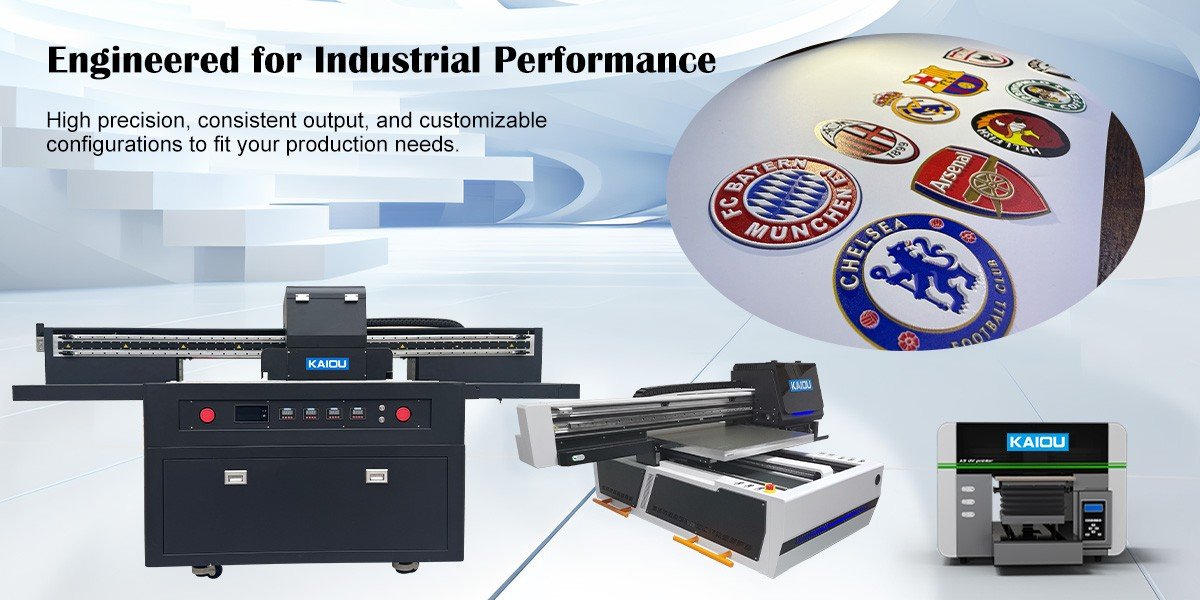 Experience the Next Level of Printing with KAIOU UV Printer’s 3D Embossing Effect
In the world of modern printing, visuals are no longer enough — people want texture they can see and feel. KAIOU UV printers bring your designs to life with a high-precision 3D embossing effect, creating stunning raised textures with exceptional clarity. Whether you’re making luxury crafts or transferring designs onto apparel, KAIOU offers the solution.
08/08/2025
-
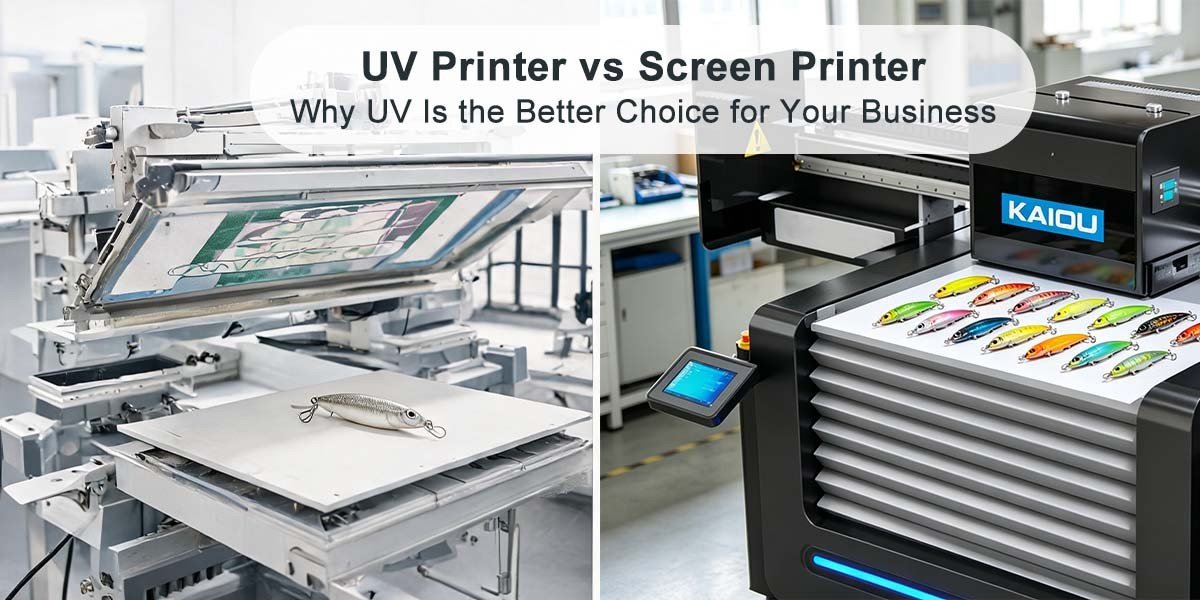 UV Printer vs Screen Printer for Fishing Lure Printing: Why UV Is the Better Choice for Your Business
Fishing lure manufacturers and tackle product suppliers face one common production dilemma: great lure design ideas cannot be perfectly printed, and profitable small-batch custom orders are constantly lost. For decades, screen printing has been the mainstream printing method for hard lures, soft baits, and fishing tackle accessories. It is true that screen printing delivers fast single-color mass printing speed, but for today’s fishing gear market dominated by Amazon stores, independent e-commerce sellers, and personalized customized orders, traditional screen printing has become a costly, time-wasting, and profit-killing production bottleneck for fishing lure UV printing.
05/20/2026
-